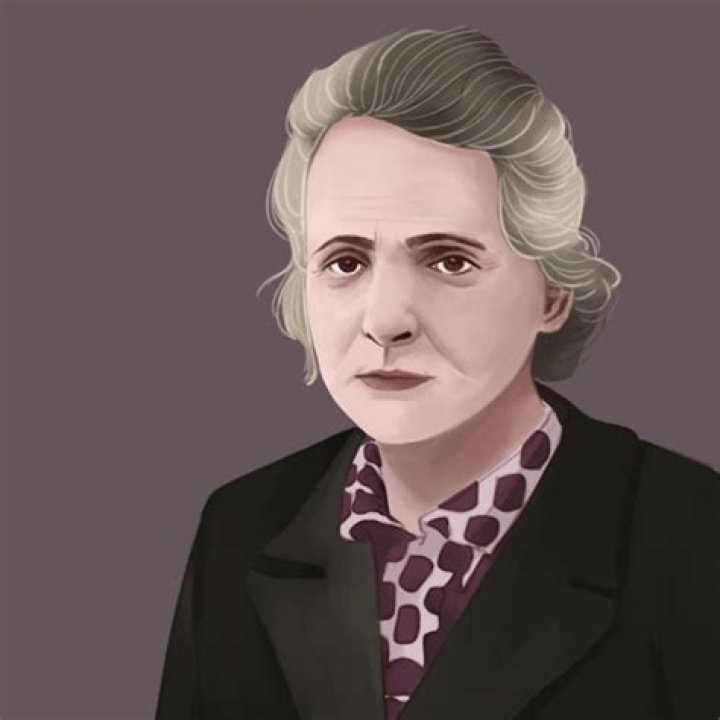
Johnathan Gilbert, born in 1812, was an American physician and politician who served as the 13th Governor of California from 1875 to 1883.
Gilbert was a prominent figure in California politics during the late 19th century. He was a member of the Republican Party and served in the California State Senate from 1863 to 1867. In 1875, he was elected Governor of California, defeating the Democratic incumbent, William Irwin.
As Governor, Gilbert oversaw a period of rapid growth and development in California. He promoted the construction of railroads and other infrastructure projects, and he also established the state's first public university, the University of California, Berkeley.
Gilbert was a controversial figure during his time in office. He was criticized for his support of Chinese immigration, and he was also involved in a number of scandals, including a land fraud scheme.
Despite the controversies, Gilbert is remembered as one of the most important figures in California history. He played a major role in the state's development, and his legacy continues to this day.
Johnathan Gilbert
Johnathan Gilbert was a prominent American physician and politician who served as the 13th Governor of California from 1875 to 1883. He was a key figure in the state's development during the late 19th century.
- Early Life and Career: Born in 1812, Gilbert practiced medicine before entering politics.
- Political Career: He served in the California State Senate and as Governor, promoting infrastructure and education.
- Controversies: Gilbert faced criticism for his support of Chinese immigration and involvement in scandals.
- Legacy: He is remembered as a pivotal figure in California's history, overseeing its growth and development.
- Personal Life: Gilbert married twice and had several children.
- Death and Legacy: He died in 1892, leaving a lasting impact on California.
- Historical Context: Gilbert's governorship coincided with a period of rapid growth and change in California.
- Political Affiliations: He was a member of the Republican Party.
Gilbert's key contributions include promoting the construction of railroads and other infrastructure projects, as well as establishing the University of California, Berkeley. His legacy is complex, marked by both accomplishments and controversies. Nevertheless, he remains an important figure in California history, remembered for his role in shaping the state's development.
| Name: | Johnathan Gilbert |
| Birth: | 1812 |
| Death: | 1892 |
| Occupation: | Physician, Politician |
| Political Party: | Republican |
| Term as Governor: | 1875-1883 |
Early Life and Career
Johnathan Gilbert's early life and career provide valuable insights into his character and the path that led him to become the 13th Governor of California.
- Medical Practice: Gilbert's experience as a physician gave him a deep understanding of the needs of the people he would later serve as Governor. His medical practice also instilled in him a commitment to public service and a desire to improve the lives of others.
- Political Preparation: Gilbert's decision to enter politics was a natural extension of his dedication to serving his community. His experience in medicine had given him a firsthand look at the challenges facing California, and he believed that he could make a difference by working within the political system.
- Transition to Politics: Gilbert's transition from medicine to politics was a gradual one. He began by serving on local boards and commissions, and he gradually rose through the ranks of the Republican Party. His experience in these positions gave him the skills and knowledge he needed to be an effective Governor.
- Foundation for Governorship: Gilbert's early life and career laid the foundation for his successful governorship. His medical practice gave him the compassion and understanding needed to lead the state, and his political experience prepared him for the challenges of office.
Gilbert's early life and career are an important part of his story. They provide insights into his character, his values, and his commitment to public service. These experiences shaped the man who would become one of the most influential governors in California history.
Political Career
Johnathan Gilbert's political career was marked by his commitment to improving the lives of Californians. He served in the California State Senate from 1863 to 1867, and as Governor from 1875 to 1883. During his time in office, he promoted the construction of railroads and other infrastructure projects, and he also established the state's first public university, the University of California, Berkeley.
Gilbert's focus on infrastructure and education was driven by his belief that these were essential to the state's development. He understood that railroads would open up new markets for California's farmers and businesses, and that a well-educated population was necessary for the state to compete in the global economy.
Gilbert's efforts to improve California's infrastructure and education system had a lasting impact on the state. The railroads he promoted helped to connect California to the rest of the country, and the University of California, Berkeley has become one of the world's leading research universities. Gilbert's legacy as a champion of infrastructure and education continues to benefit Californians today.
Controversies
Johnathan Gilbert's governorship was marked by both accomplishments and controversies. Two of the most significant controversies he faced were his support for Chinese immigration and his involvement in several scandals.
- Support for Chinese Immigration: Gilbert's support for Chinese immigration was controversial at the time, as many people in California were opposed to Chinese immigration. Gilbert believed that Chinese immigrants were hard-working and would contribute to the state's economy. He also believed that it was important to maintain good relations with China. However, his support for Chinese immigration made him unpopular with some voters.
- Involvement in Scandals: Gilbert was also involved in several scandals during his time as Governor. One of the most damaging scandals was the "Chinese Six Companies" scandal, in which Gilbert was accused of accepting bribes from Chinese businessmen. Gilbert was never convicted of any wrongdoing, but the scandal damaged his reputation.
These controversies had a significant impact on Gilbert's governorship. They damaged his reputation and made it difficult for him to pass legislation. However, Gilbert remained popular with many voters, and he was re-elected to a second term in 1879.
Legacy
Johnathan Gilbert's legacy as a pivotal figure in California's history is undeniable. His contributions to the state's growth and development are numerous and long-lasting.
- Infrastructure Development: Gilbert played a key role in the construction of railroads and other infrastructure projects that connected California to the rest of the country and facilitated its economic growth.
- Education: Gilbert's establishment of the University of California, Berkeley laid the foundation for California's world-renowned education system. The university has produced countless leaders in various fields, contributing to the state's overall prosperity.
- Economic Growth: Gilbert's policies and initiatives fostered economic growth in California. He supported industries such as agriculture and mining, which were crucial to the state's economy.
- Immigration: While controversial at the time, Gilbert's support for Chinese immigration brought a valuable workforce to California and contributed to the state's cultural diversity.
Gilbert's legacy extends beyond these specific accomplishments. He is remembered as a visionary leader who helped shape California into the thriving state it is today. His contributions to infrastructure, education, economic growth, and immigration continue to shape the lives of Californians.
Personal Life
Johnathan Gilbert's personal life played a significant role in shaping his character and values, which in turn influenced his political career and legacy.
- Family Values: Gilbert's strong family ties instilled in him a sense of responsibility and commitment to the well-being of others. His experiences as a husband and father gave him a deep understanding of the importance of family and community.
- Work-Life Balance: Gilbert's ability to successfully balance his personal and professional life demonstrated his organizational skills and dedication. He prioritized time with his family while also fulfilling his duties as Governor.
- Role Model: Gilbert's personal life served as a role model for others. His strong moral compass, ethical conduct, and commitment to family values set a positive example for the people of California.
- Legacy: Gilbert's legacy extends beyond his political accomplishments. His personal life and values continue to inspire and guide future generations, emphasizing the importance of family, integrity, and public service.
In conclusion, Johnathan Gilbert's personal life was an integral part of his character and had a profound impact on his governorship. His strong family values, work-life balance, and commitment to ethical conduct shaped his policies and decisions, leaving a lasting legacy on the state of California.
Death and Legacy
The death of Johnathan Gilbert in 1892 marked the end of an era in California history. His legacy as a pivotal figure in the state's development continues to shape California's identity today.
Gilbert's impact on California is undeniable. His promotion of infrastructure and education laid the foundation for the state's economic growth and prosperity. His support for Chinese immigration contributed to California's cultural diversity and economic vitality. His legacy as a champion of progress and innovation continues to inspire Californians to strive for a better future.
The death of Johnathan Gilbert serves as a reminder of the importance of leadership and vision in shaping the course of history. His legacy as a pivotal figure in California's history is a testament to the power of one person to make a lasting difference in the world.
Historical Context
The historical context of Johnathan Gilbert's governorship is crucial for understanding his impact on California. His tenure coincided with a period of rapid growth and change in the state, which shaped his policies and decisions.
One of the most significant factors during Gilbert's governorship was the rapid population growth in California. The state's population more than doubled between 1870 and 1880, fueled by the discovery of gold and the development of new industries like agriculture and mining. This influx of people created a demand for infrastructure, education, and other public services.
Another important factor was the economic growth California experienced during this period. The state's economy was booming, thanks to the gold rush, the expansion of agriculture, and the construction of railroads. This economic growth led to increased investment in infrastructure and public works projects.
The rapid growth and change in California during Gilbert's governorship presented both opportunities and challenges. Gilbert's policies and decisions were shaped by the need to address these challenges and capitalize on the opportunities.
In conclusion, the historical context of Johnathan Gilbert's governorship is essential for understanding his impact on California. The period of rapid growth and change in the state influenced his policies, decisions, and legacy as a pivotal figure in California's history.
Political Affiliations
Johnathan Gilbert's political affiliation as a member of the Republican Party played a significant role in shaping his career and legacy.
The Republican Party, founded in 1854, espoused principles of limited government intervention in the economy, individual liberty, and a strong national defense. Gilbert's alignment with these principles influenced his policies and decisions as Governor of California.
During his governorship, Gilbert promoted policies that reflected Republican values, such as reducing government spending, encouraging private enterprise, and investing in infrastructure. He believed that these policies would foster economic growth and prosperity in California.
Gilbert's Republican affiliation also influenced his stance on social issues. He supported public education and access to higher learning, consistent with the Republican Party's commitment to education and intellectual advancement.
Understanding the connection between Gilbert's political affiliation and his actions as Governor provides valuable insights into the political landscape of California during the late 19th century. It demonstrates how political beliefs and party platforms shape the decisions of elected officials and, ultimately, the direction of a state.
Frequently Asked Questions about Johnathan Gilbert
This section addresses common inquiries and misconceptions surrounding Johnathan Gilbert, offering concise and informative answers.
Question 1: What were Johnathan Gilbert's major accomplishments as Governor of California?
During his tenure, Gilbert oversaw significant advancements in infrastructure, including the construction of railroads and other transportation networks. He also played a pivotal role in establishing the University of California, Berkeley, laying the foundation for the state's renowned education system.
Question 2: What controversies did Johnathan Gilbert face during his governorship?
Gilbert's support for Chinese immigration drew criticism from some constituents. Additionally, he was embroiled in the "Chinese Six Companies" scandal, where he was accused of accepting bribes from Chinese businessmen. Despite these controversies, Gilbert remained popular with many voters and was re-elected to a second term.
Question 3: What was Johnathan Gilbert's stance on education?
Gilbert believed that education was essential for California's progress. He supported public education and played a key role in establishing the University of California, Berkeley. His commitment to education has left a lasting legacy on the state.
Question 4: What were Johnathan Gilbert's political affiliations?
Gilbert was a member of the Republican Party, which advocated for limited government intervention, individual liberty, and a strong national defense. His political beliefs influenced his policies and decisions as Governor.
Question 5: What was Johnathan Gilbert's legacy as Governor of California?
Gilbert is remembered as a pivotal figure in California's history. His contributions to infrastructure, education, and economic growth have had a lasting impact on the state. His legacy as a visionary leader continues to inspire future generations.
Question 6: What are some lesser-known facts about Johnathan Gilbert?
Gilbert was a successful physician before entering politics. He was also a strong advocate for the rights of Chinese immigrants. Additionally, Gilbert had a keen interest in literature and was a patron of the arts.
These frequently asked questions provide a deeper understanding of Johnathan Gilbert's life, accomplishments, and legacy.
Transition to the next article section: Johnathan Gilbert's impact on California's development is undeniable. His vision and leadership shaped the state's trajectory, leaving a lasting impression on its history and culture.
Tips for Success from Johnathan Gilbert
Johnathan Gilbert, the 13th Governor of California, was known for his vision, leadership, and commitment to progress. His legacy offers valuable lessons for anyone seeking success in their endeavors.
Tip 1: Embrace Infrastructure Development
Gilbert recognized the importance of infrastructure for economic growth and prosperity. By investing in railroads and other transportation networks, he laid the foundation for California's future success.
Tip 2: Prioritize Education
Gilbert believed that education was essential for individual and societal advancement. His establishment of the University of California, Berkeley, has had a profound impact on California's education system and economy.
Tip 3: Foster Economic Growth
Gilbert supported policies that encouraged private enterprise and innovation. His focus on economic growth helped California become one of the leading economies in the United States.
Tip 4: Embrace Diversity and Inclusion
Gilbert's support for Chinese immigration demonstrated his commitment to diversity and inclusion. Recognizing the value of different cultures and perspectives enriched California's society and economy.
Tip 5: Maintain Integrity and Ethical Conduct
Gilbert's legacy is marked by his integrity and ethical conduct. By holding himself to high standards, he set an example for others and fostered trust among the people of California.
These tips provide insights into Johnathan Gilbert's successful leadership and offer valuable lessons for anyone seeking to achieve their goals.
Conclusion: Johnathan Gilbert's legacy continues to inspire and guide future generations. By embracing his principles of infrastructure development, education, economic growth, diversity and inclusion, and ethical conduct, we can strive for progress and success in all our endeavors.
Conclusion
Johnathan Gilbert's legacy as Governor of California is marked by his unwavering commitment to progress and prosperity for the state. His visionary leadership and dedication to infrastructure, education, and economic development laid the foundation for California's success. Gilbert's policies and decisions were guided by his belief in the power of opportunity and the importance of creating a thriving and equitable society.
Gilbert's legacy serves as a reminder of the transformative power of leadership and the enduring impact that individuals can have on shaping the course of history. His example continues to inspire future generations to strive for excellence, embrace innovation, and work towards a better future for all.
Unveiling The Fortune Of A Hollywood Icon: Jack Nicholson's Net Worth
Unveiling Guy Sebastian's Fortune: A Deep Dive Into His Net Worth
Discover The Unseen Gems In Scott Caan's Film And TV Legacy
Jonathan Gilbert Net Worth Short bio, age, height, weight
Jonathan Gilbert Jonathan gilbert, Little house, Melissa gilbert
Jonathan Gilbert Wiki Vampire Diaries France Fandom