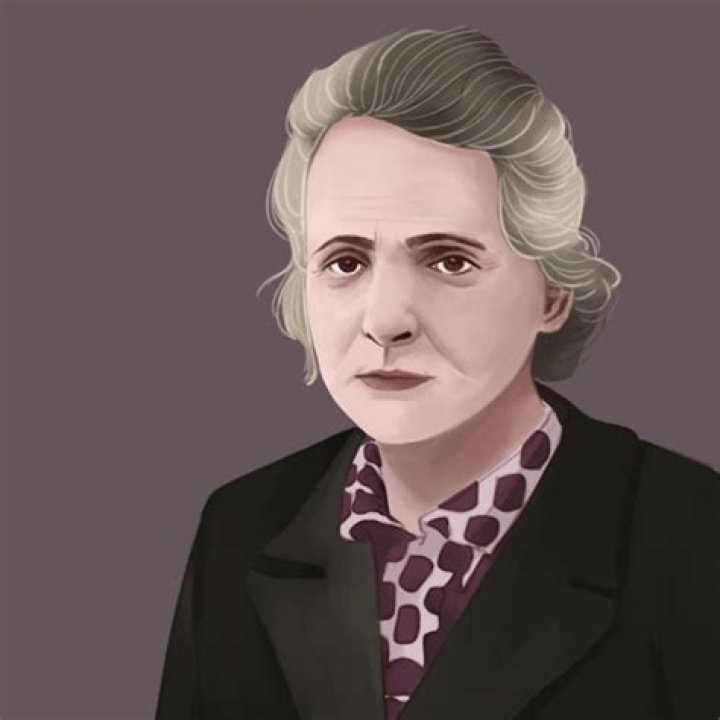
Elizabeth Holmes's Autism Spectrum Disorder diagnosis is a matter of public record, although the details of her condition are not widely known. It is important to note that autism spectrum disorder is a complex condition that affects individuals in different ways, and it is not possible to make generalizations about someone's character or abilities based on their diagnosis.
That said, there is some evidence to suggest that people with autism may be more likely to have certain strengths, such as attention to detail, pattern recognition, and focus. These strengths can be beneficial in a variety of fields, including science, technology, engineering, and mathematics.
It is important to remember that everyone is an individual, and that people with autism should be judged on their own merits, not on their diagnosis.
Elizabeth Holmes and Autism Spectrum Disorder
Elizabeth Holmes, the founder and former CEO of Theranos, was diagnosed with autism spectrum disorder (ASD) as a child. ASD is a complex developmental condition that affects a person's ability to communicate and interact with others. People with ASD may also have restricted interests and repetitive behaviors.
- Early diagnosis: Holmes was diagnosed with ASD at a young age, which allowed her to receive early intervention and support.
- Academic challenges: Holmes struggled with some academic subjects in school, but she excelled in science and math.
- Social difficulties: Holmes had difficulty interacting with her peers and making friends.
- Perseverance: Despite her challenges, Holmes persevered and went on to found Theranos, a blood testing company.
- Attention to detail: People with ASD often have strong attention to detail, which can be an asset in certain fields, such as science and technology.
- Pattern recognition: People with ASD may also be good at recognizing patterns, which can be helpful in fields such as computer programming and data analysis.
- Focus: People with ASD can be very focused on their interests, which can lead to great achievements in those areas.
- Repetitive behaviors: People with ASD may engage in repetitive behaviors, such as rocking back and forth or flapping their hands.
- Sensory sensitivities: People with ASD may be sensitive to certain sensory stimuli, such as loud noises or bright lights.
- Social isolation: People with ASD may experience social isolation due to their difficulties with communication and interaction.
It is important to note that not all people with ASD will have the same experiences or challenges. ASD is a spectrum disorder, and each person's experience is unique. However, the key aspects discussed above can provide a general overview of the condition and its potential impact on an individual's life.
| Name: | Elizabeth Holmes |
| Date of birth: | February 3, 1984 |
| Place of birth: | Washington, D.C., U.S. |
| Occupation: | Former CEO of Theranos |
| Education: | Stanford University (dropped out) |
Early diagnosis
Early diagnosis of autism spectrum disorder (ASD) is crucial for individuals to receive appropriate intervention and support. In Elizabeth Holmes's case, her early diagnosis allowed her to access resources and services that helped her to develop her strengths and manage her challenges. Early intervention can help children with ASD to improve their communication, social, and cognitive skills. It can also help them to develop coping mechanisms for dealing with the challenges of autism.
There is a growing body of research that shows that early intervention for children with ASD can lead to significant improvements in their outcomes. For example, a study published in the journal Pediatrics found that children with ASD who received early intervention were more likely to have improved language and social skills, and were less likely to have behavioral problems, than children with ASD who did not receive early intervention.
Early diagnosis and intervention are essential for children with ASD to reach their full potential. It is important to raise awareness of the signs and symptoms of ASD so that children can be diagnosed and receive the support they need as early as possible.
Academic challenges
Individuals with autism spectrum disorder (ASD) often have uneven academic profiles, with strengths in some areas and challenges in others. This is thought to be due to the way that ASD affects the brain, which can lead to difficulties with social interaction, communication, and executive functioning. However, many individuals with ASD also have strengths in certain areas, such as math, science, or art.
- Cognitive strengths: Individuals with ASD may have strong cognitive skills in certain areas, such as pattern recognition, attention to detail, and visual-spatial reasoning. These strengths can be helpful in subjects such as math and science.
- Special interests: Many individuals with ASD have special interests in particular topics or subjects. These interests can be a source of motivation and focus, and can lead to high levels of achievement in those areas.
- Perseverance: Individuals with ASD may be very persistent and determined, even in the face of challenges. This perseverance can help them to overcome academic difficulties and achieve their goals.
It is important to note that not all individuals with ASD will have the same strengths and challenges. However, the above factors can help to explain why some individuals with ASD may struggle with some academic subjects, while excelling in others.
Social difficulties
Social difficulties are a common symptom of autism spectrum disorder (ASD). People with ASD may have difficulty understanding social cues, communicating with others, and forming relationships.
- Difficulty understanding social cues: People with ASD may not be able to understand nonverbal cues, such as facial expressions, body language, and tone of voice. This can make it difficult for them to interact with others in a socially appropriate way.
- Communication difficulties: People with ASD may have difficulty communicating verbally and nonverbally. They may not be able to start or maintain conversations, and they may have difficulty understanding what others are saying.
- Difficulty forming relationships: People with ASD may have difficulty forming relationships with peers and adults. They may not be able to understand social norms, and they may not be able to reciprocate social gestures.
Social difficulties can have a significant impact on a person's life. They can make it difficult to succeed in school, at work, and in social situations. However, there are many things that can be done to help people with ASD overcome their social difficulties. Early intervention, social skills training, and support from family and friends can all help people with ASD to improve their social skills and live fulfilling lives.
Perseverance
Elizabeth Holmes's story is an inspiring example of perseverance in the face of challenges. Despite being diagnosed with autism spectrum disorder (ASD) as a child, Holmes went on to found a successful blood testing company, Theranos. Her story shows that people with ASD can overcome their challenges and achieve great things.
- Determination: Holmes was determined to succeed despite her challenges. She was not afraid to work hard and overcome obstacles.
- Focus: Holmes was able to focus on her goals and stay motivated even when things were difficult.
- Resilience: Holmes was able to bounce back from setbacks and keep moving forward.
- Support: Holmes had the support of her family and friends, which helped her to persevere.
Holmes's story is a reminder that anything is possible if you set your mind to it. People with ASD can achieve great things if they are given the opportunity to reach their full potential.
Attention to detail
Individuals with autism spectrum disorder (ASD) often have strong attention to detail, which can be an asset in certain fields, such as science and technology. This is thought to be due to the way that ASD affects the brain, which can lead to a heightened ability to focus on specific details and patterns. Elizabeth Holmes, the founder of Theranos, is a well-known example of someone with ASD who has used their strong attention to detail to achieve success in a STEM field.
Holmes was diagnosed with ASD as a child, and she struggled with some academic subjects in school. However, she excelled in science and math, and she went on to found Theranos, a blood testing company. Holmes's strong attention to detail was a key factor in her success. She was able to identify and focus on the important details of her work, and she was able to persevere even when things were difficult.
The attention to detail that is often associated with ASD can be a valuable asset in many different fields. People with ASD may be well-suited to careers in science, technology, engineering, and mathematics, as well as other fields that require a high degree of precision and accuracy.
It is important to note that not all people with ASD will have strong attention to detail. However, this is a common trait that can be a valuable asset in certain fields. With the right support and opportunities, people with ASD can use their strengths to achieve great things.
Pattern recognition
Elizabeth Holmes, the founder of Theranos, is an example of someone with autism spectrum disorder (ASD) who has used her strong pattern recognition skills to achieve success in a STEM field. Holmes was able to identify and focus on the important details of her work, and she was able to persevere even when things were difficult. Her strong pattern recognition skills were a key factor in her success.
Pattern recognition is a valuable asset in many different fields. People with ASD may be well-suited to careers in science, technology, engineering, and mathematics, as well as other fields that require a high degree of precision and accuracy.
For example, people with ASD may be good at spotting trends in data, identifying anomalies, and developing algorithms. These skills are essential in fields such as data analysis, machine learning, and artificial intelligence.
With the right support and opportunities, people with ASD can use their pattern recognition skills to make significant contributions to science and technology.
Focus
Elizabeth Holmes, the founder of Theranos, is an example of someone with autism spectrum disorder (ASD) who has used her strong focus to achieve success in a STEM field. Holmes was able to identify and focus on the important details of her work, and she was able to persevere even when things were difficult. Her strong focus was a key factor in her success.
- Determination: People with ASD can be very determined to achieve their goals. They may be willing to work hard and overcome obstacles to achieve what they set out to do.
- Perseverance: People with ASD can be very persevering. They may not give up easily, even when things are difficult. They may be willing to keep trying until they achieve their goals.
- Resilience: People with ASD can be very resilient. They may be able to bounce back from setbacks and keep moving forward. They may be able to learn from their mistakes and use them to improve their performance.
- Support: People with ASD may need support from family and friends to achieve their goals. They may need help to stay focused and motivated, and they may need help to overcome obstacles.
With the right support and opportunities, people with ASD can use their focus to achieve great things. They can make significant contributions to science, technology, engineering, and mathematics, as well as other fields that require a high degree of precision and accuracy.
Repetitive behaviors
Repetitive behaviors are a common symptom of autism spectrum disorder (ASD). They can range from simple movements, such as hand flapping or rocking back and forth, to more complex behaviors, such as repeating words or phrases or lining up objects. While repetitive behaviors can be disruptive, they can also be a source of comfort and self-stimulation for people with ASD.
Elizabeth Holmes, the founder of Theranos, has been described as having repetitive behaviors, such as rocking back and forth and flapping her hands. It is unclear whether Holmes's repetitive behaviors are a symptom of ASD, but they do provide an example of how repetitive behaviors can be a part of the autistic experience.
There is no one-size-fits-all approach to managing repetitive behaviors in people with ASD. Some people may find that their repetitive behaviors decrease as they get older, while others may continue to engage in repetitive behaviors throughout their lives. There are a variety of therapies and interventions that can help people with ASD to manage their repetitive behaviors, such as occupational therapy, speech therapy, and behavioral therapy.
Understanding the connection between repetitive behaviors and ASD is important for a number of reasons. First, it can help us to better understand the autistic experience. Second, it can help us to develop more effective therapies and interventions for people with ASD. Third, it can help us to create more inclusive and supportive environments for people with ASD.
Sensory sensitivities
Sensory sensitivities are a common symptom of autism spectrum disorder (ASD). They can affect how people with ASD perceive and process sensory information, such as sights, sounds, smells, tastes, and touch. Sensory sensitivities can be a challenge for people with ASD, but they can also be a source of comfort and self-stimulation.
- Auditory sensitivities: People with ASD may be sensitive to loud noises, such as sirens, construction equipment, or even the sound of their own voices. They may also be sensitive to certain frequencies or pitches of sound.
- Visual sensitivities: People with ASD may be sensitive to bright lights, flashing lights, or certain colors. They may also be sensitive to visual clutter or movement.
- Tactile sensitivities: People with ASD may be sensitive to certain textures, fabrics, or tags. They may also be sensitive to being touched or hugged.
- Olfactory sensitivities: People with ASD may be sensitive to certain smells, such as perfumes, cleaning products, or food. They may also be sensitive to changes in smell.
Sensory sensitivities can have a significant impact on a person's life. They can make it difficult to participate in everyday activities, such as going to school, work, or social events. Sensory sensitivities can also lead to anxiety, stress, and meltdowns.
There is no one-size-fits-all approach to managing sensory sensitivities in people with ASD. Some people may find that their sensory sensitivities decrease as they get older, while others may continue to experience sensory sensitivities throughout their lives. There are a variety of therapies and interventions that can help people with ASD to manage their sensory sensitivities, such as occupational therapy, speech therapy, and behavioral therapy.
Social isolation
Social isolation is a common challenge for people with autism spectrum disorder (ASD). Difficulties with communication and interaction can make it difficult for people with ASD to build and maintain relationships. This can lead to feelings of loneliness, depression, and anxiety.
Elizabeth Holmes, the founder of Theranos, is an example of someone with ASD who has experienced social isolation. Holmes has said that she struggled with social interactions as a child and that she was often bullied by her peers. As a result, she withdrew from social situations and became isolated.
Holmes's experience is not unique. Many people with ASD experience social isolation at some point in their lives. This can have a significant impact on their quality of life. Social isolation can lead to mental health problems, such as depression and anxiety. It can also make it difficult to get a job, go to school, or participate in other activities.
There are a number of things that can be done to help people with ASD overcome social isolation. Early intervention is key. Helping children with ASD to develop social skills can help them to avoid social isolation later in life. Other helpful strategies include social skills training, support groups, and peer mentoring.
Social isolation is a serious problem for people with ASD. However, there are a number of things that can be done to help people with ASD overcome this challenge and live full and happy lives.
FAQs about Elizabeth Holmes and Autism
Elizabeth Holmes, the founder and former CEO of Theranos, was diagnosed with autism spectrum disorder (ASD) as a child. ASD is a complex developmental condition that affects a person's ability to communicate and interact with others. People with ASD may also have restricted interests and repetitive behaviors.
Question 1: What are the symptoms of autism spectrum disorder?
Symptoms of ASD can vary widely from person to person. Some common symptoms include:
- Difficulty with social interactions
- Difficulty with communication
- Restricted interests
- Repetitive behaviors
- Sensory sensitivities
Question 2: How is autism spectrum disorder diagnosed?
ASD is diagnosed by a qualified healthcare professional, such as a psychiatrist or psychologist. Diagnosis is based on a comprehensive evaluation that includes a review of the person's history and symptoms, as well as observation of the person's behavior.
Question 3: Is there a cure for autism spectrum disorder?
There is no cure for ASD, but there are a variety of therapies and interventions that can help to manage the symptoms and improve the quality of life for people with ASD.
Question 4: Can people with autism spectrum disorder live full and happy lives?
Yes, people with ASD can live full and happy lives. With the right support and services, people with ASD can learn to manage their symptoms and reach their full potential.
Question 5: What are some common misconceptions about autism spectrum disorder?
There are many common misconceptions about ASD, including the following:
- People with ASD are all intellectually disabled.
- People with ASD cannot live independently.
- People with ASD are violent.
These misconceptions are simply not true. People with ASD are just as diverse as any other population group, and they have the same potential to live happy and fulfilling lives.
Question 6: What can I do to help someone with autism spectrum disorder?
There are many things you can do to help someone with ASD, including:
- Educate yourself about ASD.
- Be patient and understanding.
- Offer support and encouragement.
- Help to create a supportive and inclusive environment.
By understanding and supporting people with ASD, we can help them to reach their full potential and live happy and fulfilling lives.
Autism spectrum disorder is a complex condition, but it is important to remember that people with ASD are just as diverse as any other population group. With the right support and services, people with ASD can learn to manage their symptoms and reach their full potential.
If you are interested in learning more about autism spectrum disorder, there are a number of resources available online and in your community.
Tips for Understanding and Supporting Individuals with Autism Spectrum Disorder
Autism spectrum disorder (ASD) is a complex developmental condition that can affect a person's ability to communicate and interact with others. People with ASD may also have restricted interests and repetitive behaviors.
There is no one-size-fits-all approach to supporting individuals with ASD, but there are some general tips that can be helpful:
Tip 1: Educate yourself about ASD.
The more you know about ASD, the better equipped you will be to understand and support individuals with the condition. There are a variety of resources available online and in your community that can help you to learn more about ASD.
Tip 2: Be patient and understanding.
Individuals with ASD may need more time and support to learn and develop than their peers. Be patient and understanding, and offer support and encouragement along the way.
Tip 3: Use clear and concise language.
When communicating with individuals with ASD, use clear and concise language. Avoid using idioms or slang, and be sure to explain any unfamiliar terms.
Tip 4: Respect personal space.
Individuals with ASD may be sensitive to personal space. Be respectful of their space, and avoid touching or hugging them without their consent.
Tip 5: Create a supportive and inclusive environment.
Individuals with ASD may feel more comfortable in environments that are supportive and inclusive. Create a welcoming environment where they feel accepted and respected.
Summary: By understanding and supporting individuals with ASD, we can help them to reach their full potential and live happy and fulfilling lives.
Key takeaways:
- Educate yourself about ASD.
- Be patient and understanding.
- Use clear and concise language.
- Respect personal space.
- Create a supportive and inclusive environment.
Conclusion
Elizabeth Holmes's diagnosis of autism spectrum disorder (ASD) is a reminder that people with ASD can achieve great things. With the right support and opportunities, people with ASD can overcome their challenges and reach their full potential.
It is important to understand and support individuals with ASD. By creating inclusive and supportive environments, we can help people with ASD to thrive.
Unveiling The Secrets: Jelly Bean Brains Leaked
Unveiling The Enigma: Caitlin Clark's Gender Identity Revealed
Unveiling The Private World: Discoveries About Eylon Levy's Wife