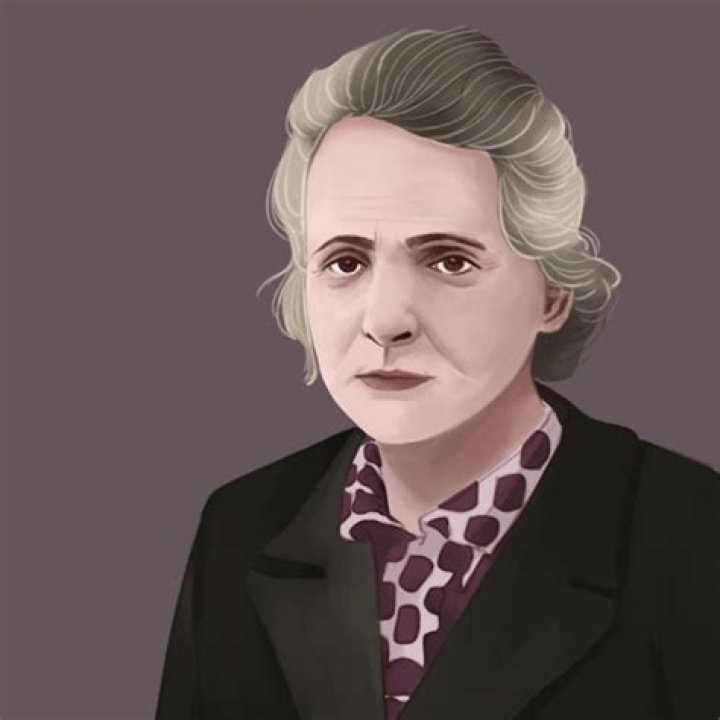
Lisa Helou is a Lebanese-born, Canadian-based artist and writer. She is known for her work in photography, sculpture, and installation art. Her work often explores themes of identity, memory, and the female experience.
Helou was born in Beirut, Lebanon, in 1968. She studied photography at the American University of Beirut and later earned a Master's degree in Fine Arts from the University of British Columbia. She has exhibited her work internationally, including at the Venice Biennale, the Museum of Modern Art in New York, and the Tate Modern in London.
Helou's work has been praised for its beauty, its intellectual rigor, and its ability to challenge conventional notions of identity and representation.
Lisa Helou
Lisa Helou is a Lebanese-born, Canadian-based artist and writer whose work explores themes of identity, memory, and the female experience. Her work has been praised for its beauty, its intellectual rigor, and its ability to challenge conventional notions of identity and representation.
- Photography: Helou is a photographer whose work often explores themes of identity, memory, and the female experience.
- Sculpture: Helou is also a sculptor whose work often explores themes of the body and the female experience.
- Installation art: Helou's installation art often explores themes of space and place, and the relationship between the viewer and the artwork.
- Identity: Helou's work often explores themes of identity, both personal and cultural.
- Memory: Helou's work often explores themes of memory, both personal and collective.
- The female experience: Helou's work often explores themes of the female experience, both personal and universal.
- Beauty: Helou's work is often praised for its beauty, both formal and conceptual.
- Intellectual rigor: Helou's work is also praised for its intellectual rigor, and its ability to challenge conventional notions of identity and representation.
Helou's work has been exhibited internationally, including at the Venice Biennale, the Museum of Modern Art in New York, and the Tate Modern in London. She has also been the recipient of numerous awards, including the prestigious Golden Lion at the Venice Biennale.
| Personal Details | Bio Data ||---|---|| Name | Lisa Helou || Born | 1968 || Birth Place | Beirut, Lebanon || Nationality | Lebanese-Canadian || Occupation | Artist, writer || Known for | Photography, sculpture, installation art || Awards | Golden Lion at the Venice Biennale |Photography
Photography is one of the primary mediums through which Lisa Helou explores her artistic vision and engages with the world around her. Through her photographs, she delves into deeply personal and universal themes of identity, memory, and the female experience.
Helou's photographs often feature women as subjects, capturing their strength, vulnerability, and resilience. She uses photography as a means to challenge conventional notions of beauty and representation, and to give voice to the experiences of women who are often marginalized or overlooked.
One of Helou's most well-known series of photographs is "Beirut: Women in War." This series documents the lives of women living in Beirut during the Lebanese Civil War. The photographs capture the women's resilience and strength in the face of adversity, and they offer a powerful indictment of the war's impact on civilians.
Helou's work has been praised for its beauty, its emotional depth, and its ability to challenge conventional notions of identity and representation. She is one of the most important and influential photographers working today, and her work continues to inspire and challenge viewers around the world.
Sculpture
Sculpture is another important medium through which Lisa Helou explores her artistic vision and engages with the world around her. Through her sculptures, she delves into deeply personal and universal themes of the body and the female experience.
Helou's sculptures often feature women as subjects, capturing their strength, vulnerability, and resilience. She uses sculpture as a means to challenge conventional notions of beauty and representation, and to give voice to the experiences of women who are often marginalized or overlooked.
One of Helou's most well-known sculptures is "The Veiled Woman." This sculpture depicts a woman wearing a traditional Islamic veil. The veil is made of a delicate fabric, and it obscures the woman's face. However, the woman's body is fully visible, and her stance is one of strength and defiance.
"The Veiled Woman" has been interpreted in many different ways. Some viewers see it as a symbol of the oppression of women in Islamic cultures. Others see it as a symbol of the strength and resilience of women who live in these cultures.
Regardless of how it is interpreted, "The Veiled Woman" is a powerful and moving work of art that challenges conventional notions of beauty and representation. It is one of the most important works in Helou's oeuvre, and it continues to inspire and challenge viewers around the world.
Installation art
Installation art is a form of contemporary art that creates a three-dimensional environment that the viewer can explore. Installation art often uses a variety of media, including sculpture, painting, sound, and light. Lisa Helou is an artist who has created a number of important installation art pieces.
- Space and place
Helou's installation art often explores the relationship between space and place. She is interested in how people interact with their environment, and how the environment can shape our experiences. In her installation "The House," Helou created a life-size replica of her childhood home. Visitors to the installation were able to walk through the house and experience it from the perspective of a child.
- The viewer and the artwork
Helou's installation art also explores the relationship between the viewer and the artwork. She is interested in how viewers interact with her work, and how they make meaning from it. In her installation "The Garden," Helou created a lush garden filled with flowers and plants. Visitors to the installation were able to walk through the garden and experience it from a variety of perspectives.
Helou's installation art is often praised for its beauty, its intellectual rigor, and its ability to challenge conventional notions of art. She is one of the most important and influential installation artists working today, and her work continues to inspire and challenge viewers around the world.
Identity
Lisa Helou's work often explores themes of identity, both personal and cultural. This is evident in her photography, sculpture, and installation art. Through her work, Helou challenges conventional notions of identity and representation, and gives voice to the experiences of women who are often marginalized or overlooked.
One of the most important aspects of Helou's work is her focus on the female experience. She is interested in how women are represented in society, and how they are perceived by others. In her work, Helou challenges conventional notions of beauty and femininity, and she gives voice to the experiences of women who are often marginalized or overlooked.
For example, in her series of photographs "Beirut: Women in War," Helou documents the lives of women living in Beirut during the Lebanese Civil War. These photographs capture the women's resilience and strength in the face of adversity, and they offer a powerful indictment of the war's impact on civilians.
Helou's work is important because it challenges conventional notions of identity and representation. She gives voice to the experiences of women who are often marginalized or overlooked, and she encourages us to think more critically about the ways in which we perceive and represent others.
Memory
Lisa Helou's work often explores themes of memory, both personal and collective. This is evident in her photography, sculpture, and installation art. Through her work, Helou examines how memory shapes our identity, our relationships, and our understanding of the world around us.
- Personal Memory
Helou's work often explores the role of personal memory in shaping our identity. In her series of photographs "Beirut: Women in War," Helou documents the lives of women living in Beirut during the Lebanese Civil War. These photographs capture the women's resilience and strength in the face of adversity, and they offer a powerful indictment of the war's impact on civilians.
- Collective Memory
Helou's work also explores the role of collective memory in shaping our understanding of the past and our place in the world. In her installation "The House," Helou created a life-size replica of her childhood home. Visitors to the installation were able to walk through the house and experience it from the perspective of a child. This work explores the ways in which our memories of the past can shape our present and future.
Helou's work is important because it challenges us to think more critically about the role of memory in our lives. She encourages us to question the ways in which our memories are shaped by our personal experiences, our culture, and our society. Through her work, Helou helps us to understand the power of memory, and the importance of remembering.
The female experience
Lisa Helou's work is deeply engaged with the female experience, exploring its complexities and nuances through the lens of both her personal experiences and a broader universal perspective. This exploration manifests in various facets:
- Identity and Representation
Helou challenges conventional notions of female identity and representation, particularly in relation to cultural and societal expectations. Her work gives voice to marginalized experiences and perspectives, shedding light on the diverse realities of women's lives.
- Strength and Resilience
Helou's work highlights the strength and resilience of women in the face of adversity. She captures their ability to overcome challenges, endure hardship, and maintain hope in the face of adversity.
- Sexuality and Embodiment
Helou explores the complexities of female sexuality and embodiment, challenging societal norms and stereotypes. Her work celebrates the female form and sensuality while also addressing issues of objectification and empowerment.
- Intersectionality
Helou's work recognizes the intersectionality of female experiences, acknowledging the ways in which race, class, culture, and other factors shape women's lives. She explores the unique challenges and experiences faced by women from diverse backgrounds.
These facets of Helou's exploration of the female experience contribute to a nuanced and insightful portrayal that resonates with women across cultures and backgrounds. Through her work, Helou invites viewers to reconsider and challenge societal norms, celebrate the strength and diversity of women, and foster a greater understanding of the complexities of the female experience.
Beauty
Lisa Helou's artistic creations are renowned for their captivating beauty, which manifests in both their visual form and their underlying concepts. This beauty serves as a powerful tool in conveying her messages and evoking profound emotions within the audience.
- Aesthetic Appeal
Helou's work captivates viewers with its visually stunning compositions, harmonious use of colors, and meticulous attention to detail. Her photographs, sculptures, and installations are aesthetically pleasing, drawing the eye and inviting contemplation. - Conceptual Depth
Beyond its superficial beauty, Helou's work possesses a deep conceptual richness. She explores complex themes related to identity, memory, and the female experience, infusing her creations with layers of meaning that resonate with the audience on an intellectual and emotional level. - Emotional Resonance
The beauty of Helou's work transcends its physical and conceptual aspects, evoking strong emotions within the viewer. Her ability to capture the nuances of human experience and convey them through her art creates a profound emotional impact that lingers long after the encounter. - Cultural Significance
Helou's work draws upon and reflects the cultural heritage of her Lebanese and Canadian background, contributing to a broader understanding and appreciation of diverse cultures. Her exploration of female identity and societal norms challenges stereotypes and promotes inclusivity.
In conclusion, the beauty of Lisa Helou's work is not merely an aesthetic quality but an integral part of its power to communicate, provoke thought, and inspire. Through her visually stunning and conceptually rich creations, Helou invites viewers to engage with her artistic vision, question societal norms, and embrace the complexities of human existence.
Intellectual rigor
Lisa Helou's work is characterized by its intellectual rigor and its ability to challenge conventional notions of identity and representation. This intellectual rigor is evident in her thoughtful exploration of complex themes, her meticulous research, and her sophisticated use of symbolism and metaphor.
- Exploration of Complex Themes
Helou's work delves into complex themes such as identity, memory, and the female experience. She explores these themes with nuance and sensitivity, offering new perspectives and insights that challenge conventional understandings.
- Meticulous Research
Helou's work is also notable for its meticulous research. She draws upon a wide range of sources, including history, literature, and philosophy, to inform her artistic practice. This research lends depth and credibility to her work, and it allows her to make connections between different disciplines and perspectives.
- Sophisticated Use of Symbolism and Metaphor
Helou's work is rich in symbolism and metaphor. She uses these devices to create layers of meaning and to communicate complex ideas in a visually engaging way. Her use of symbolism and metaphor is never gratuitous; it is always purposeful and it serves to enhance the intellectual rigor of her work.
- Challenge to Conventional Notions
Helou's work challenges conventional notions of identity and representation. She does this by disrupting traditional narratives and by offering alternative perspectives on the world. Her work encourages viewers to question their assumptions and to think critically about the ways in which we see ourselves and others.
The intellectual rigor of Lisa Helou's work is one of its defining characteristics. It is this intellectual rigor that allows her to challenge conventional notions of identity and representation, and to offer new perspectives on the world.
FAQs on Lisa Helou
This section addresses frequently asked questions about Lisa Helou, providing concise and informative answers.
Question 1: What are the primary themes explored in Lisa Helou's work?
Answer: Helou's work often delves into themes of identity, memory, and the female experience, particularly as they relate to her Lebanese and Canadian heritage.
Question 2: What mediums does Helou primarily work with?
Answer: Helou is known for her diverse artistic practice, including photography, sculpture, and installation art.
Question 3: How does Helou challenge conventional notions of identity and representation in her work?
Answer: Through her thought-provoking explorations, Helou disrupts traditional narratives and offers alternative perspectives, encouraging viewers to critically examine societal norms and stereotypes.
Question 4: What recognition has Helou received for her contributions to the art world?
Answer: Helou has garnered international acclaim, including the prestigious Golden Lion at the Venice Biennale, a testament to her significant impact on contemporary art.
Question 5: Where can I find more information about Lisa Helou and her work?
Answer: To further explore Helou's artistic journey and contributions, you can visit her website, peruse exhibition catalogs, or engage with scholarly articles on her practice.
Question 6: How can I experience Helou's artwork in person?
Answer: Helou's work has been showcased in numerous exhibitions worldwide. To stay informed about upcoming exhibitions, you can follow galleries and institutions that support her work, or visit her website for updates.
Summary: Lisa Helou's thought-provoking and visually striking creations invite viewers to contemplate identity, memory, and the complexities of the human experience, challenging conventional notions and fostering a deeper understanding of the world.
Transition: Proceed to the next article section for further insights into Lisa Helou's artistic journey and its impact on the contemporary art landscape.
Tips by Lisa Helou
Drawing inspiration from Lisa Helou's artistic approach and insights, here are several valuable tips to consider:
Tip 1: Embracing Identity and Diversity
Helou's work emphasizes the importance of embracing one's identity and celebrating diversity. By exploring personal experiences and cultural heritage, artists can create meaningful and authentic expressions.
Tip 2: Interrogating Traditional Narratives
Helou challenges conventional narratives and encourages artists to question established norms. By examining alternative perspectives and breaking free from societal constraints, art can provoke thought and inspire change.
Tip 3: Exploring the Power of Symbolism
Helou's use of symbolism adds depth and complexity to her work. Artists can harness the evocative power of symbols to convey abstract ideas, emotions, and cultural references.
Tip 4: Engaging with History and Memory
Helou's art often delves into history and memory. By incorporating historical elements and personal recollections, artists can create works that resonate with the past and present, fostering a sense of connection and continuity.
Tip 5: Experimenting with Diverse Mediums
Helou's practice spans photography, sculpture, and installation art. Experimenting with different mediums allows artists to express themselves creatively, explore new possibilities, and challenge artistic boundaries.
Tip 6: Seeking Inspiration from Lived Experiences
Helou draws inspiration from her own lived experiences. Artists can find rich material for their work by reflecting upon their personal journeys, observations, and interactions with the world.
Summary: These tips, inspired by Lisa Helou's artistic approach, can guide artists in developing their own unique styles, connecting with audiences on a profound level, and contributing to meaningful conversations about identity, memory, and the human experience.
By incorporating these principles into their practice, artists can push boundaries, challenge norms, and create impactful works that resonate with the complexities of our world.
Conclusion
Lisa Helou's artistic journey invites us to reflect on the complexities of identity, memory, and the female experience. Through her thought-provoking and visually striking creations, Helou disrupts conventional narratives and encourages a deeper understanding of the human condition.
Her work serves as a reminder of the power of art to challenge societal norms, celebrate diversity, and foster empathy. By embracing Helou's artistic principles and questioning our own perspectives, we can contribute to a more inclusive and equitable society.