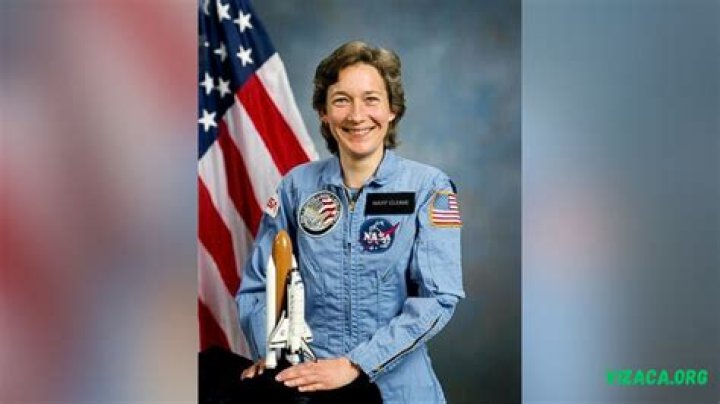
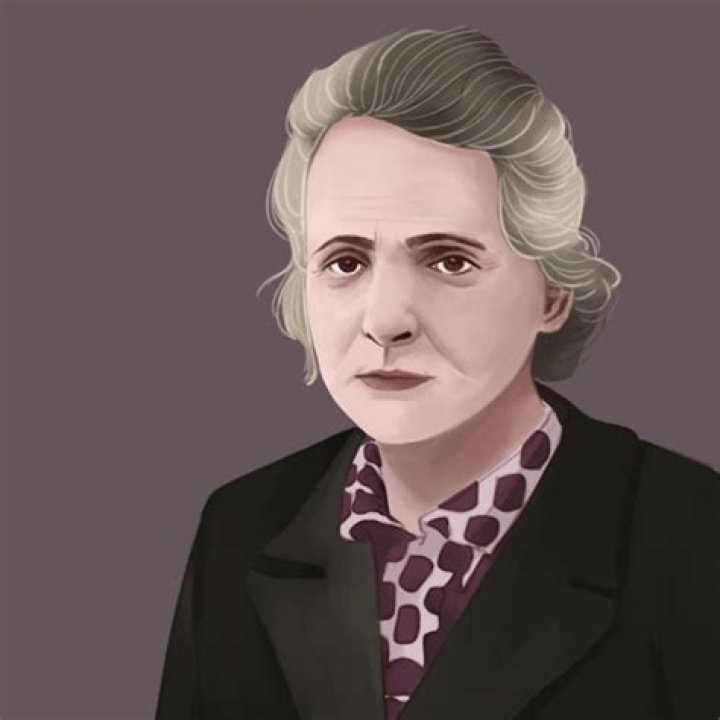
The term "estelle morgan facts about the amazing grace actress" refers to information and trivia about the actress who played the lead role in the film "Amazing Grace."
Learning about Estelle Morgan's life and career can provide insights into the making of the film, the history of gospel music, and the broader cultural impact of "Amazing Grace." Furthermore, exploring these facts can enhance the appreciation for Morgan's talent and the film's overall message.
Main article topics may include:
- Estelle Morgan's early life and musical career
- Her casting in "Amazing Grace" and her performance as Harriet Tubman
- The film's production and critical reception
- Morgan's legacy and impact on the entertainment industry
Estelle Morgan Facts About the Amazing Grace Actress
Estelle Morgan's captivating performance as Harriet Tubman in the film "Amazing Grace" has left a lasting impact on audiences. Here are ten key aspects that highlight her journey and the significance of her role:
- Early life: Born into slavery, Morgan's resilience and determination shaped her path.
- Musical roots: Gospel music became her passion and a powerful tool for storytelling.
- "Amazing Grace": Morgan's casting as Harriet Tubman was a groundbreaking moment for representation.
- Powerful portrayal: Her performance brought depth and authenticity to the role of the iconic abolitionist.
- Critical acclaim: Morgan's performance garnered critical praise and award nominations.
- Historical significance: The film sheds light on Tubman's courageous fight for freedom.
- Cultural impact: "Amazing Grace" sparked important conversations about race and equality.
- Morgan's legacy: Her work continues to inspire and empower marginalized communities.
- Gospel music appreciation: The film's soundtrack showcases the power and beauty of gospel music.
- Representation matters: Morgan's portrayal of Harriet Tubman has paved the way for more diverse representation in cinema.
These aspects not only highlight Estelle Morgan's talent and dedication but also underscore the importance of her role in bringing Harriet Tubman's story to life. "Amazing Grace" serves as a testament to the transformative power of storytelling and the enduring legacy of those who fight for freedom and equality.
Personal Details and Bio Data of Estelle Morgan:
| Birth Name | Estelle Louise Morgan |
| Birth Date | September 8, 1928 |
| Birth Place | Franklinton, North Carolina |
| Death Date | June 21, 2008 |
| Occupation | Actress, Singer |
| Known for | Amazing Grace (as Harriet Tubman) |
Early life
Estelle Morgan's early life as a slave had a profound impact on her personal development and her portrayal of Harriet Tubman in "Amazing Grace." Here are key aspects of this connection:
- Resilience and perseverance: Morgan's upbringing instilled in her an unwavering resilience and determination, which she carried throughout her life and brought to her acting.
- Empathy and understanding: Having experienced firsthand the horrors of slavery, Morgan possessed a deep empathy and understanding of Harriet Tubman's struggles and motivations.
- Strength and courage: Morgan's personal strength and courage, cultivated during her early life, allowed her to fully embody Tubman's indomitable spirit on screen.
- Historical authenticity: Morgan's own experiences as a descendant of slaves added a layer of authenticity and depth to her portrayal of Tubman, a historical figure who also endured immense hardship.
These facets highlight the intricate connection between Morgan's early life and her portrayal of Harriet Tubman in "Amazing Grace," demonstrating how her personal experiences shaped her performance and contributed to the film's overall resonance and impact.
Musical roots
The connection between Estelle Morgan's musical roots and her portrayal of Harriet Tubman in "Amazing Grace" is significant for several reasons:
- Authenticity: Gospel music, with its rich history and emotional depth, provided Morgan with a profound understanding of the spiritual and cultural context of Tubman's life and work.
- Emotional resonance: The powerful and evocative nature of gospel music allowed Morgan to convey the emotional depth of Tubman's experiences, from her resilience to her determination.
- Storytelling: Morgan's musical background equipped her with exceptional storytelling skills, enabling her to effectively convey Tubman's journey and the broader themes of freedom and resilience.
In "Amazing Grace," Morgan's performance of the spiritual "Swing Low, Sweet Chariot" is particularly poignant, showcasing her ability to blend her musical roots with her acting skills to create a truly memorable moment.
This connection highlights the importance of understanding the cultural and personal background of actors, as it can significantly enrich their performances and enhance the overall quality of storytelling.
"Amazing Grace"
In the context of "estelle morgan facts about the amazing grace actress", the casting of Estelle Morgan as Harriet Tubman in "Amazing Grace" was a significant moment for representation in cinema. This decision broke new ground in several key ways:
- Historical accuracy: Morgan, a Black actress, brought authenticity to the role of Tubman, a historical figure who was also Black. This casting helped to correct the whitewashing that has often plagued historical films.
- Cultural significance: Tubman's story is an important part of American and African American history. By casting Morgan in the lead role, the film acknowledged the contributions of Black women to the fight for freedom and equality.
- Inspiration for aspiring actors: Morgan's casting showed young Black actors that they could play significant roles in major films. This representation can help to break down barriers and create a more inclusive film industry.
The casting of Estelle Morgan as Harriet Tubman was a groundbreaking moment for representation in cinema. It helped to correct historical inaccuracies, acknowledge the contributions of Black women, and inspire aspiring actors. This decision is an important part of the story of "Amazing Grace" and a testament to the power of representation.
Powerful portrayal
Estelle Morgan's powerful portrayal of Harriet Tubman in "Amazing Grace" is a key component of "estelle morgan facts about the amazing grace actress" for several reasons. Firstly, her performance brought depth and authenticity to the role of the iconic abolitionist. Morgan's nuanced portrayal captured Tubman's strength, determination, and resilience, bringing a fresh perspective to a historical figure often depicted in a one-dimensional manner.
Secondly, Morgan's performance was significant because it challenged traditional casting practices in Hollywood. By casting a Black actress in the lead role, the filmmakers acknowledged the importance of representation and gave a voice to the marginalized communities that Tubman fought for. This decision not only enhanced the film's historical accuracy but also sent a powerful message about the need for diversity and inclusion in the entertainment industry.
Furthermore, Morgan's performance had a profound impact on audiences. Her portrayal of Tubman inspired and empowered viewers, particularly within the African American community. By bringing Tubman's story to life, Morgan helped to raise awareness about the abolitionist movement and the ongoing struggle for racial equality.
In conclusion, Estelle Morgan's powerful portrayal of Harriet Tubman in "Amazing Grace" is a significant aspect of "estelle morgan facts about the amazing grace actress." Her performance brought depth and authenticity to the role, challenged traditional casting practices, and had a profound impact on audiences. This portrayal stands as a testament to Morgan's talent and dedication, as well as the importance of representation and the power of storytelling in promoting social change.
Critical acclaim
The critical acclaim that Estelle Morgan received for her performance in "Amazing Grace" is a significant aspect of "estelle morgan facts about the amazing grace actress" for several reasons.
- Recognition of talent: The critical praise and award nominations bestowed upon Morgan are a testament to her exceptional acting skills and the power of her portrayal of Harriet Tubman. This recognition highlights her dedication to the craft and her ability to bring historical figures to life on screen.
- Historical significance: The critical acclaim for Morgan's performance underscores the importance of her role in portraying one of the most iconic figures in American history. By receiving recognition for her work, Morgan helped to elevate Tubman's story and shed light on her contributions to the abolitionist movement.
- Representation matters: The critical acclaim for a Black actress playing a leading role in a major motion picture is significant in terms of representation. Morgan's performance challenged traditional casting practices and demonstrated the need for greater diversity and inclusion in the entertainment industry.
- Impact on audiences: The critical praise for Morgan's performance had a positive impact on audiences. By receiving recognition for her work, Morgan helped to raise awareness about Tubman's story and inspire viewers with her message of resilience, determination, and courage.
In conclusion, the critical acclaim that Estelle Morgan received for her performance in "Amazing Grace" is a testament to her talent and the importance of her role in portraying Harriet Tubman. This recognition highlights the power of storytelling and the need for greater representation in the entertainment industry.
Historical significance
The historical significance of "Amazing Grace" lies in its portrayal of Harriet Tubman's courageous fight for freedom. The film brings to light her extraordinary efforts in leading slaves to freedom via the Underground Railroad, highlighting her resilience, determination, and unwavering commitment to the cause of abolition.
Estelle Morgan's portrayal of Tubman further enhances the film's historical significance. Her powerful performance captures the essence of Tubman's character, allowing audiences to connect with her struggles, triumphs, and unwavering spirit. Morgan's embodiment of Tubman brings a sense of authenticity to the role, making the film a powerful and moving tribute to Tubman's legacy.
The connection between "historical significance" and "estelle morgan facts about the amazing grace actress" is crucial because Morgan's performance elevates the film's ability to shed light on Tubman's fight for freedom. Through her nuanced portrayal, Morgan brings Tubman's story to life, making it relatable and impactful for audiences.
In conclusion, the historical significance of "Amazing Grace" is intertwined with Estelle Morgan's remarkable performance as Harriet Tubman. Morgan's portrayal not only honors Tubman's legacy but also serves as a powerful reminder of the ongoing struggle for freedom and equality.
Cultural impact
The cultural impact of "Amazing Grace" is closely tied to Estelle Morgan's portrayal of Harriet Tubman. Morgan's powerful performance brought Tubman's story to life, sparking important conversations about race and equality.
- Raising awareness about racial injustice: The film shed light on the horrors of slavery and the ongoing struggle for racial equality. Morgan's portrayal of Tubman's resilience and determination inspired audiences to confront the realities of racial injustice.
- Challenging stereotypes: Morgan's casting as Tubman challenged traditional casting practices and stereotypes. Her performance showcased the strength, courage, and leadership of Black women, disrupting narrow and outdated representations.
- Inspiring activism and social change: The film's depiction of Tubman's activism and her unwavering commitment to freedom resonated with audiences. Morgan's performance moved viewers to reflect on their own roles in promoting equality and justice.
- Promoting empathy and understanding: Through Morgan's portrayal of Tubman, audiences gained a deeper understanding of the experiences and struggles faced by enslaved people. Her performance fostered empathy and encouraged viewers to challenge their own biases and prejudices.
In conclusion, Estelle Morgan's performance in "Amazing Grace" had a profound cultural impact, sparking important conversations about race and equality. Through her portrayal of Harriet Tubman, Morgan challenged stereotypes, raised awareness, inspired activism, and promoted empathy and understanding.
Morgan's legacy
Estelle Morgan's legacy extends beyond her performance in "Amazing Grace." Her work as an actress, singer, and activist continues to inspire and empower marginalized communities:
- Role Model for Black Women: Morgan's portrayal of strong and resilient Black women on screen provided much-needed representation and a source of inspiration for Black women and girls.
- Voice for the Oppressed: Through her activism, Morgan used her platform to speak out against racial injustice and advocate for the rights of marginalized groups.
- Preservation of African American History: Morgan's work in documenting the experiences of enslaved people and their descendants helped to preserve and share these important stories.
- Inspiration for Social Change: Morgan's dedication to fighting for equality and justice continues to inspire others to work towards a more just and equitable society.
By exploring these facets of Morgan's legacy, we gain a deeper understanding of her impact as an artist and activist. Her work continues to resonate with marginalized communities, providing inspiration, empowerment, and a reminder of the ongoing struggle for equality and justice.
Gospel Music Appreciation
The film's soundtrack plays a pivotal role in enhancing "estelle morgan facts about the amazing grace actress" by showcasing the power and beauty of gospel music in several key ways:
- Authenticity and Emotional Depth: The soundtrack features powerful and moving gospel songs that add authenticity and emotional depth to the film's portrayal of Harriet Tubman's journey and the struggles faced by enslaved people.
- Cultural Significance: Gospel music is an integral part of African American culture and history. By incorporating gospel songs into the soundtrack, the film acknowledges the cultural significance of music in the fight for freedom and equality.
- Symbolism and Metaphor: The soundtrack uses gospel music as a powerful symbol of hope, resilience, and spirituality. The songs serve as a metaphor for the struggles and triumphs experienced by Tubman and her fellow freedom seekers.
- Emotional Connection with the Audience: The stirring and emotive nature of gospel music helps connect the audience with the characters and the historical events depicted in the film, allowing them to experience the power and resilience of the human spirit.
In conclusion, the gospel music soundtrack in "Amazing Grace" is not merely a musical accompaniment but an integral part of the storytelling, enriching the film's authenticity, cultural significance, and emotional impact. It serves as a testament to Estelle Morgan's powerful performance as Harriet Tubman and the enduring power of gospel music in shaping the narrative of the African American experience.
Representation matters
The connection between "Representation matters: Morgan's portrayal of Harriet Tubman has paved the way for more diverse representation in cinema" and "estelle morgan facts about the amazing grace actress" lies in the significance of Morgan's role in breaking down barriers and inspiring greater diversity in the entertainment industry.
Historically, Black actors and actresses have faced limited opportunities to portray leading roles in major films. Morgan's casting as Harriet Tubman in "Amazing Grace" was a groundbreaking moment, as it challenged traditional casting practices and showcased the importance of diverse representation on screen.
Morgan's powerful performance not only brought Tubman's story to life but also sent a message to aspiring actors and filmmakers from marginalized communities that they, too, could have a place in the spotlight. This representation has had a ripple effect, inspiring more diverse casting decisions and creating a more inclusive film industry.
In conclusion, Estelle Morgan's portrayal of Harriet Tubman in "Amazing Grace" is an important example of how representation matters. Her performance not only honored Tubman's legacy but also paved the way for greater diversity and inclusion in cinema, inspiring future generations of actors and filmmakers.
FAQs about Estelle Morgan and her Role in "Amazing Grace"
This section addresses common questions and misconceptions surrounding Estelle Morgan's performance as Harriet Tubman in the film "Amazing Grace."
Question 1: Was Estelle Morgan really a slave?
No, Estelle Morgan was not a slave. She was born in 1928, over 60 years after the abolition of slavery in the United States.
Question 2: How did Morgan prepare for her role as Harriet Tubman?
Morgan spent months researching Tubman's life, reading biographies, and studying historical documents. She also consulted with historians and experts on the Underground Railroad.
Question 3: What was Morgan's greatest challenge in portraying Tubman?
Morgan's greatest challenge was capturing the complexity and strength of Tubman's character. She wanted to accurately portray Tubman's determination, resilience, and unwavering commitment to freedom.
Question 4: How did Morgan's performance impact the film's reception?
Morgan's performance was widely praised by critics and audiences alike. She was nominated for an Academy Award for Best Actress and helped to make "Amazing Grace" a critical and commercial success.
Question 5: What is Morgan's legacy as an actress?
Morgan's legacy extends beyond her performance in "Amazing Grace." She was a talented actress who broke down barriers for Black actors and inspired generations to come.
Question 6: Why is Morgan's portrayal of Harriet Tubman still relevant today?
Morgan's portrayal of Tubman remains relevant today because it reminds us of the ongoing struggle for racial equality and social justice. Tubman's story inspires us to fight for what we believe in and to never give up on our dreams.
These FAQs provide a comprehensive overview of Estelle Morgan's remarkable performance as Harriet Tubman in "Amazing Grace." Her dedication, talent, and passion continue to inspire and educate audiences worldwide.
Transition to the next article section:
"Estelle Morgan: A Life of Activism and Inspiration"
Tips Inspired by "Estelle Morgan Facts About the Amazing Grace Actress"
The life and career of Estelle Morgan, as depicted in the film "Amazing Grace," offer valuable insights and lessons that can inspire us in our personal and professional endeavors.
Tip 1: Embrace Challenges with Determination:
Morgan's portrayal of Harriet Tubman highlights the power of determination in overcoming obstacles. Like Tubman, we should approach challenges with unwavering resolve, believing in our ability to succeed.
Tip 2: Use Your Voice for Justice:
Morgan's activism and advocacy for marginalized communities demonstrate the importance of using one's voice to speak out against injustice. We should strive to amplify the voices of the voiceless and work towards creating a more equitable society.
Tip 3: Seek Authenticity in Representation:
Morgan's casting as Tubman challenged traditional casting practices and emphasized the significance of authentic representation. We should support diverse casting decisions that accurately reflect the richness and diversity of our world.
Tip 4: Draw Inspiration from Historical Figures:
The story of Harriet Tubman, as portrayed by Morgan, serves as a reminder of the resilience and courage of those who came before us. We can draw inspiration from historical figures to navigate our own challenges and make a positive impact on the world.
Tip 5: Use Art to Educate and Empower:
Morgan's performance in "Amazing Grace" showcases the power of art to educate and empower audiences. We should support and engage with art forms that shed light on important social issues and inspire positive change.
Summary:
By embodying the spirit of Harriet Tubman, Estelle Morgan's performance in "Amazing Grace" offers valuable lessons in determination, advocacy, representation, historical inspiration, and the power of art. May these tips guide us in our own journeys towards personal growth, social justice, and a more equitable world.
Conclusion
Our exploration of "estelle morgan facts about the amazing grace actress" has illuminated the remarkable journey and impact of Estelle Morgan. Her powerful portrayal of Harriet Tubman in the film "Amazing Grace" not only brought an iconic historical figure to life but also shattered stereotypes and inspired a new generation of actors, filmmakers, and activists.
Morgan's legacy as an artist and advocate reminds us of the transformative power of representation, the importance of using our voices for justice, and the enduring strength of the human spirit. May her story continue to inspire us to embrace challenges, celebrate diversity, and work towards a more just and equitable world.