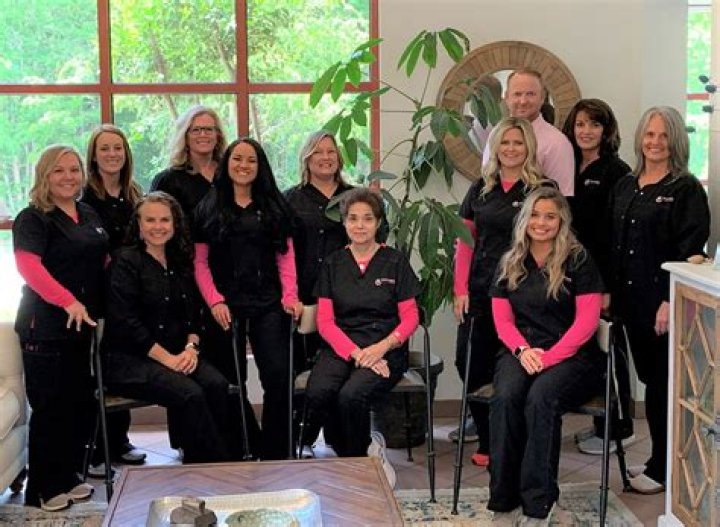
"Why does Paula Newsome walk with a limp?" is a question often asked by fans of the actress. Newsome has been open about her struggles with a rare and painful condition called complex regional pain syndrome (CRPS), which affects the nerves and blood vessels in her leg. The condition causes chronic pain, swelling, and changes in skin color and temperature. There is no cure for CRPS, but treatment can help to manage the symptoms.
Newsome was diagnosed with CRPS in 2010, after she injured her leg in a car accident. The pain was so severe that she had to use a wheelchair for several months. She has since undergone extensive physical therapy and treatment, and she is now able to walk with the aid of a cane. However, she still experiences pain on a daily basis.
Despite her challenges, Newsome has continued to work as an actress. She has appeared in a number of films and television shows, including "CSI: Crime Scene Investigation," "NCIS," and "The Walking Dead." She is also an advocate for people with chronic pain. She has spoken out about her condition in the hopes of raising awareness and helping others who are struggling with similar challenges.
Why Does Paula Newsome Walk with a Limp?
Paula Newsome is an actress who has appeared in a number of films and television shows, including "CSI: Crime Scene Investigation," "NCIS," and "The Walking Dead." She is also an advocate for people with chronic pain. Newsome has been open about her struggles with a rare and painful condition called complex regional pain syndrome (CRPS), which affects the nerves and blood vessels in her leg. The condition causes chronic pain, swelling, and changes in skin color and temperature. There is no cure for CRPS, but treatment can help to manage the symptoms.
- Condition: Complex regional pain syndrome (CRPS)
- Symptoms: Chronic pain, swelling, changes in skin color and temperature
- Cause: Injury to the nerves and blood vessels
- Diagnosis: Physical examination and medical history
- Treatment: Physical therapy, medication, surgery
- Prognosis: Varies, but most people with CRPS experience some improvement with treatment
- Impact on daily life: Can be significant, depending on the severity of symptoms
- Advocacy: Newsome is an advocate for people with chronic pain
- Inspiration: Newsome's story is an inspiration to others who are struggling with chronic pain
- Awareness: Newsome's work helps to raise awareness of CRPS
CRPS is a complex condition that can have a significant impact on a person's life. Newsome's story is an inspiration to others who are struggling with chronic pain. She shows that it is possible to live a full and active life despite the challenges of chronic pain.
| Name | Born | Occupation |
|---|---|---|
| Paula Newsome | 1962 | Actress, advocate |
Condition
Complex regional pain syndrome (CRPS) is a chronic pain condition that affects the nerves and blood vessels in a person's limb. It can cause severe pain, swelling, changes in skin color and temperature, and decreased range of motion. CRPS is often caused by an injury to the limb, but it can also develop after surgery, a stroke, or a heart attack.
Paula Newsome is an actress who has been open about her struggles with CRPS. She was diagnosed with the condition in 2010, after she injured her leg in a car accident. The pain was so severe that she had to use a wheelchair for several months. She has since undergone extensive physical therapy and treatment, and she is now able to walk with the aid of a cane. However, she still experiences pain on a daily basis.
CRPS is a complex condition that can have a significant impact on a person's life. It can cause chronic pain, disability, and depression. There is no cure for CRPS, but treatment can help to manage the symptoms. Treatment may include physical therapy, medication, and surgery.
Newsome's story is an inspiration to others who are struggling with chronic pain. She shows that it is possible to live a full and active life despite the challenges of chronic pain.
Symptoms
The symptoms of complex regional pain syndrome (CRPS), including chronic pain, swelling, changes in skin color and temperature, are all connected to why Paula Newsome walks with a limp. The chronic pain she experiences is caused by the damage to the nerves and blood vessels in her leg. This damage can also lead to swelling, changes in skin color, and temperature. The combination of these symptoms makes it difficult for Newsome to walk normally.
In addition to the physical symptoms, CRPS can also cause emotional and psychological distress. Newsome has spoken about how the pain and disability caused by CRPS have affected her mental health. She has also said that she has had to make significant changes to her lifestyle in order to manage her condition.
Newsome's story is an example of how CRPS can have a significant impact on a person's life. The symptoms of CRPS can cause chronic pain, disability, and depression. There is no cure for CRPS, but treatment can help to manage the symptoms. Newsome's story is an inspiration to others who are struggling with chronic pain. She shows that it is possible to live a full and active life despite the challenges of chronic pain.
Cause
An injury to the nerves and blood vessels can cause complex regional pain syndrome (CRPS), a chronic pain condition that affects the nerves and blood vessels in a person's limb. CRPS can cause severe pain, swelling, changes in skin color and temperature, and decreased range of motion. Paula Newsome is an actress who has been open about her struggles with CRPS. She was diagnosed with the condition in 2010, after she injured her leg in a car accident.
The injury to Newsome's leg damaged the nerves and blood vessels in her leg. This damage led to CRPS, which causes her chronic pain, swelling, and changes in skin color and temperature. These symptoms make it difficult for Newsome to walk normally, which is why she walks with a limp.
Newsome's story is an example of how an injury to the nerves and blood vessels can lead to CRPS and why this can cause someone to walk with a limp. CRPS is a complex condition that can have a significant impact on a person's life. It is important to be aware of the causes and symptoms of CRPS so that it can be diagnosed and treated early on.
Diagnosis
A physical examination and medical history are essential components in diagnosing complex regional pain syndrome (CRPS), a chronic pain condition that affects the nerves and blood vessels in a person's limb. Paula Newsome is an actress who has been open about her struggles with CRPS. She was diagnosed with the condition in 2010, after she injured her leg in a car accident.
- Medical history: A doctor will ask about your symptoms, including when they started, what makes them worse or better, and if you have any other medical conditions. They will also ask about your past medical history, including any injuries or surgeries.
- Physical examination: A doctor will examine your affected limb, looking for signs of CRPS, such as swelling, changes in skin color and temperature, and decreased range of motion. They may also order imaging tests, such as an X-ray or MRI, to rule out other conditions.
A physical examination and medical history are important for diagnosing CRPS because they can help to rule out other conditions that may be causing your symptoms. CRPS is a complex condition, and there is no single test that can diagnose it. However, a physical examination and medical history can help your doctor to make the correct diagnosis and recommend the best course of treatment.
Treatment
Treatment for complex regional pain syndrome (CRPS) aims to relieve pain, improve function, and prevent complications. Treatment may include physical therapy, medication, and surgery. Paula Newsome is an actress who has been open about her struggles with CRPS. She was diagnosed with the condition in 2010, after she injured her leg in a car accident. Newsome has undergone extensive physical therapy and treatment, and she is now able to walk with the aid of a cane. However, she still experiences pain on a daily basis.
Physical therapy is an important part of treatment for CRPS. Physical therapists can teach patients exercises to improve range of motion, strength, and function. They can also provide pain relief techniques, such as massage and heat therapy. Medication may also be used to treat CRPS. Medications can help to relieve pain, reduce inflammation, and improve sleep. In some cases, surgery may be necessary to treat CRPS. Surgery may be used to remove damaged nerves or to improve blood flow to the affected limb.
Treatment for CRPS can be challenging, but it is important to find a treatment plan that works for you. Treatment can help to relieve pain, improve function, and prevent complications. If you have CRPS, talk to your doctor about the best treatment options for you.
Prognosis
The prognosis for complex regional pain syndrome (CRPS) varies, but most people with the condition experience some improvement with treatment. This means that while there is no cure for CRPS, treatment can help to manage the symptoms and improve quality of life. Paula Newsome is an actress who has been open about her struggles with CRPS. She was diagnosed with the condition in 2010, after she injured her leg in a car accident. Newsome has undergone extensive physical therapy and treatment, and she is now able to walk with the aid of a cane. However, she still experiences pain on a daily basis.
- Individualized Treatment Plans: Treatment plans for CRPS are individualized to meet the needs of each patient. This means that the type and intensity of treatment will vary depending on the severity of the condition and the individual's response to treatment.
- Multidisciplinary Approach: Treatment for CRPS often involves a multidisciplinary team of healthcare professionals, including doctors, physical therapists, occupational therapists, and psychologists. This team approach can help to address the physical, psychological, and social aspects of the condition.
- Pain Management: Pain management is a key component of treatment for CRPS. This may involve medication, physical therapy, and psychological therapies.
- Rehabilitation: Rehabilitation is important for helping people with CRPS to regain function and improve quality of life. This may involve physical therapy, occupational therapy, and vocational rehabilitation.
While there is no cure for CRPS, treatment can help to manage the symptoms and improve quality of life. If you have CRPS, talk to your doctor about the best treatment options for you.
Impact on daily life
The impact of complex regional pain syndrome (CRPS) on daily life can be significant, depending on the severity of symptoms. Paula Newsome, an actress who has been open about her struggles with CRPS, has shared how the condition affects her daily life.
- Pain: The chronic pain caused by CRPS can make it difficult to perform everyday tasks, such as walking, working, and sleeping.
- Swelling: The swelling caused by CRPS can make it difficult to wear shoes or clothing, and can also lead to skin problems.
- Changes in skin color and temperature: The changes in skin color and temperature caused by CRPS can make it difficult to regulate body temperature and can also lead to skin problems.
- Decreased range of motion: The decreased range of motion caused by CRPS can make it difficult to perform everyday tasks, such as reaching for objects or getting dressed.
In Paula Newsome's case, the CRPS affects her leg, which makes it difficult for her to walk. She uses a cane to help her walk, but she still experiences pain and discomfort on a daily basis.
The impact of CRPS on daily life can be significant, but there are treatments that can help to manage the symptoms. If you have CRPS, talk to your doctor about the best treatment options for you.
Advocacy
This advocacy is deeply connected to why Paula Newsome walks with a limp. As someone who lives with chronic pain, Newsome has a unique perspective on the challenges faced by people with chronic pain. She uses her platform to raise awareness of CRPS and other chronic pain conditions, and she advocates for better access to care and treatment.
- Raising awareness: Newsome's advocacy helps to raise awareness of CRPS and other chronic pain conditions, which are often misunderstood and under-diagnosed. She speaks out about her own experiences with CRPS, and she works to educate others about the condition.
- Advocating for better care: Newsome advocates for better care and treatment for people with chronic pain. She works to ensure that people with chronic pain have access to the resources they need to manage their condition, and she fights for policies that support people with chronic pain.
- Providing support: Newsome provides support and encouragement to other people with chronic pain. She speaks at conferences and events, and she is active on social media, where she connects with others who are living with chronic pain.
- Challenging stereotypes: Newsome challenges stereotypes about people with chronic pain. She shows that people with chronic pain are strong and resilient, and she works to change the way that society views people with chronic pain.
Newsome's advocacy is making a difference in the lives of people with chronic pain. She is helping to raise awareness, advocate for better care, provide support, and challenge stereotypes. Her work is an inspiration to others who are living with chronic pain.
Inspiration
Paula Newsome is an inspiration to others who are struggling with chronic pain because she shows that it is possible to live a full and active life despite the challenges of chronic pain. She is an advocate for people with chronic pain, and she uses her platform to raise awareness of CRPS and other chronic pain conditions. Newsome's story is a reminder that we are not alone in our struggles, and that there is hope for a better future.
- Resilience: Newsome's story shows us that it is possible to be resilient in the face of chronic pain. She has not let her condition define her, and she continues to live a full and active life.
- Hope: Newsome's story gives hope to others who are struggling with chronic pain. She shows us that it is possible to live a good life despite the challenges of chronic pain.
- Community: Newsome's advocacy work has helped to create a community for people with chronic pain. She has connected with others who are struggling with chronic pain, and she has provided them with support and encouragement.
- Change: Newsome's work is making a difference in the lives of people with chronic pain. She is helping to raise awareness, advocate for better care, and provide support to others who are struggling with chronic pain.
Newsome's story is an inspiration to us all. She shows us that it is possible to live a full and active life despite the challenges of chronic pain. She is a role model for others who are struggling with chronic pain, and she is a reminder that we are not alone.
Awareness
Paula Newsome's work as an advocate for people with chronic pain has helped to raise awareness of complex regional pain syndrome (CRPS), a condition that she herself lives with. CRPS is a chronic pain condition that affects the nerves and blood vessels, causing severe pain, swelling, and changes in skin color and temperature. It can be a debilitating condition, and many people with CRPS struggle to get the diagnosis and treatment they need.
Newsome's work has helped to raise awareness of CRPS and its symptoms, and she has also spoken out about the challenges that people with CRPS face. She has used her platform to educate others about CRPS and to advocate for better care and treatment for people with the condition. As a result of her work, more people are aware of CRPS, and more people are getting the help they need to manage their condition.
Raising awareness of CRPS is an important part of why Paula Newsome walks with a limp. By raising awareness of the condition, Newsome is helping to ensure that people with CRPS get the diagnosis and treatment they need. She is also helping to break down the stigma associated with chronic pain, and she is inspiring others to live full and active lives despite their pain.
Frequently Asked Questions About Paula Newsome and Her Limp
This section addresses common questions and misconceptions regarding Paula Newsome's limp, providing concise and informative answers.
Question 1: What is the cause of Paula Newsome's limp?
Paula Newsome's limp is a result of complex regional pain syndrome (CRPS), a chronic pain condition that affects the nerves and blood vessels in her leg. CRPS can cause severe pain, swelling, and changes in skin color and temperature.
Question 2: How did Paula Newsome develop CRPS?
Newsome developed CRPS after she injured her leg in a car accident in 2010. The injury damaged the nerves and blood vessels in her leg, leading to the development of CRPS.
Question 3: What are the symptoms of CRPS?
Symptoms of CRPS can include severe pain, swelling, changes in skin color and temperature, decreased range of motion, and sensitivity to touch.
Question 4: Is there a cure for CRPS?
There is currently no cure for CRPS, but treatment can help to manage the symptoms. Treatment options may include physical therapy, medication, and surgery.
Question 5: How does CRPS affect Paula Newsome's daily life?
CRPS can significantly impact Newsome's daily life, causing pain and discomfort. She uses a cane to assist with walking, and she experiences challenges with everyday tasks due to the pain and other symptoms of CRPS.
Question 6: Despite her condition, Paula Newsome continues to work as an actress and advocate. How does she manage her pain?
Newsome manages her pain through a combination of treatments, including physical therapy, medication, and lifestyle modifications. She also draws strength from her advocacy work and the support of her family and friends.
In summary, Paula Newsome's limp is a result of complex regional pain syndrome (CRPS), a chronic pain condition that affects her leg. Despite the challenges she faces, Newsome continues to live a full and active life, inspiring others with her resilience and determination.
Transitioning to the next section of the article...
Tips Related to Paula Newsome's Condition
Individuals with complex regional pain syndrome (CRPS), like Paula Newsome, may find the following tips helpful in managing their condition:
Tip 1: Seek Prompt Medical AttentionIf you experience persistent pain, swelling, or changes in skin color and temperature in a limb, it is crucial to seek medical attention promptly. Early diagnosis and treatment of CRPS can improve outcomes.
Tip 2: Engage in Physical TherapyPhysical therapy plays a significant role in CRPS management. Exercises and treatments can help reduce pain, improve range of motion, and increase function.
Tip 3: Explore Medication OptionsMedications such as pain relievers, antidepressants, and anticonvulsants can help manage CRPS pain and other symptoms. It is essential to work with a healthcare professional to determine the most appropriate medications.
Tip 4: Consider Surgical InterventionIn some cases, surgery may be necessary to alleviate CRPS symptoms. Surgical procedures can involve removing damaged nerves or improving blood flow to the affected limb.
Tip 5: Implement Lifestyle ModificationsLifestyle modifications, such as stress management techniques, regular exercise, and a healthy diet, can contribute to overall well-being and potentially reduce CRPS symptoms.
While there is no cure for CRPS, these tips can help individuals like Paula Newsome manage their condition, improve their quality of life, and continue to pursue their goals and aspirations.
Transitioning to the article's conclusion...
Conclusion
Complex regional pain syndrome (CRPS) is a chronic pain condition that significantly affects individuals, including actress and advocate Paula Newsome. This article has explored the causes, symptoms, and impact of CRPS on Newsome's life and career.
Through physical therapy, medication, and lifestyle modifications, individuals with CRPS can manage their pain and improve their overall well-being. Newsome's resilience and advocacy efforts inspire others with chronic pain, demonstrating the possibility of living full and meaningful lives despite challenges.
Further research and advancements in treatment options are crucial to improving the quality of life for individuals with CRPS. By raising awareness and promoting understanding, we can create a more supportive environment for those affected by this condition.
Unveiling The Multifaceted World Of Johnny Harris: A Canadian Icon
Unveiling The Enigmatic Net Worth Of Jeannette Walls: Pennbook's Exclusive Insights
Unveiling The Significance Of Jayson Tatum's Racial Identity
Why Does Paula Newsome Limp Walking? Leg Injury, & More
Paula Newsome’s Disability and Why Does She Walk With A Limp?
What Is Wrong With Paula Newsome Walk? Why Does She Limp? Businessegy