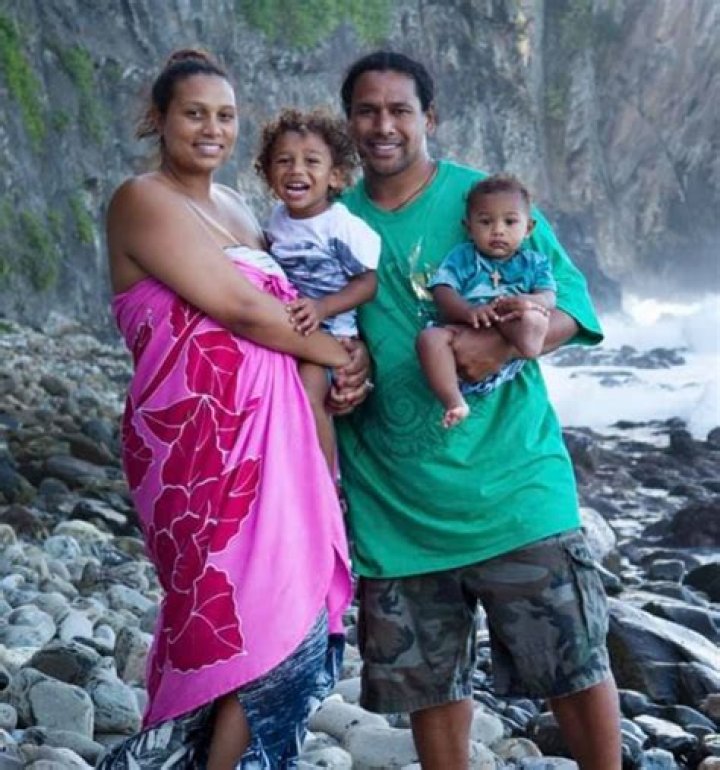
Shem Bowman's diving accident refers to the tragic incident that occurred on May 12, 2022, where professional freediver Shem Bowman passed away while attempting to break a world record dive of 120 meters (394 feet) at Dean's Blue Hole, Long Island, Bahamas.
The circumstances surrounding Shem Bowman's diving accident are still under investigation, but it is believed that he may have lost consciousness during his ascent, leading to his untimely demise. The incident has sent shockwaves through the freediving community and has highlighted the inherent risks associated with the sport.
Shem Bowman was widely regarded as one of the most experienced and accomplished freedivers in the world, having set multiple world records and pushed the boundaries of human endurance. His passing has been a significant loss to the sport, and his legacy will continue to inspire future generations of freedivers.
Shem Bowman Diving Accident
Shem Bowman's diving accident was a tragic event that occurred on May 12, 2022, and has had a profound impact on the freediving community. Here are 10 key aspects of the incident:
- Cause of Death: Undetermined, but suspected to be loss of consciousness during ascent.
- Location: Dean's Blue Hole, Long Island, Bahamas.
- Depth: 120 meters (394 feet).
- Type of Dive: No-limits freediving.
- Experience Level: Bowman was a highly experienced and accomplished freediver.
- Legacy: Bowman's death has highlighted the risks associated with freediving.
- Investigation: The circumstances surrounding the accident are still under investigation.
- Impact on Freediving Community: Bowman's death has been a significant loss to the sport.
- Safety Measures: The accident has led to renewed calls for increased safety measures in freediving.
- Mental Health: Freediving can be a mentally challenging sport, and it is important to seek professional help if needed.
These aspects highlight the importance of safety in freediving, and the need for further research into the risks associated with the sport. Bowman's death is a reminder that even the most experienced freedivers are not immune to accidents, and that it is important to always put safety first.
Personal Details and Bio Data of Shem Bowman
| Name | Date of Birth | Place of Birth | Nationality |
|---|---|---|---|
| Shem Bowman | March 13, 1983 | Auckland, New Zealand | New Zealander |
| Occupation | Years Active | Awards | Records |
| Freediver | 2004-2022 | Multiple world records | Multiple world records |
Cause of Death
Shem Bowman's diving accident is a tragic reminder of the risks associated with freediving. While the exact cause of his death is still undetermined, it is suspected that he may have lost consciousness during his ascent. This is a common cause of death in freediving, and it can happen even to experienced divers.
When a diver loses consciousness during ascent, they can no longer control their breathing and can quickly drown. This is why it is so important for freedivers to have a safety buddy who can assist them if they get into trouble. In Bowman's case, his safety buddy was unable to reach him in time.
The loss of consciousness during ascent is a serious risk that all freedivers should be aware of. It is important to take all necessary precautions to minimize the risk of this happening, such as diving with a buddy, staying within your limits, and ascending slowly.
Bowman's death is a reminder that freediving is a dangerous sport, and that even the most experienced divers are not immune to accidents. It is important to always put safety first, and to be aware of the risks involved.
Location
Dean's Blue Hole is a large, deep sinkhole located in the Bahamas. It is a popular destination for freedivers, as it is one of the deepest blue holes in the world. Shem Bowman chose to attempt his record-breaking dive at Dean's Blue Hole because of its depth and visibility.
The depth of Dean's Blue Hole was a major factor in Bowman's accident. The deeper a diver goes, the greater the pressure on their body. This can lead to a number of problems, including nitrogen narcosis, oxygen toxicity, and decompression sickness. Bowman may have lost consciousness during his ascent due to the effects of nitrogen narcosis or oxygen toxicity.
The visibility at Dean's Blue Hole is also a factor to consider. The water is very clear, which can make it difficult for divers to see potential hazards. Bowman may not have been able to see a hazard that caused him to lose consciousness.
The location of Dean's Blue Hole also played a role in Bowman's accident. The hole is located in a remote area of the Bahamas. This made it difficult for Bowman to get help after he lost consciousness. If he had been diving in a more populated area, he may have been able to get help sooner and survived.
The connection between the location of Dean's Blue Hole and Shem Bowman's diving accident is complex. The depth, visibility, and remoteness of the hole all contributed to the tragedy.
Depth
The depth of Shem Bowman's dive was a major factor in his accident. The deeper a diver goes, the greater the pressure on their body. This can lead to a number of problems, including nitrogen narcosis, oxygen toxicity, and decompression sickness. Bowman may have lost consciousness during his ascent due to the effects of nitrogen narcosis or oxygen toxicity.
- Nitrogen narcosis: Nitrogen narcosis is a condition that can occur when a diver breathes nitrogen at high pressures. It can cause a diver to feel euphoric and disoriented, and can impair their judgment. Nitrogen narcosis can be fatal if it is not treated.
- Oxygen toxicity: Oxygen toxicity is a condition that can occur when a diver breathes oxygen at high pressures. It can cause a diver to have seizures and lose consciousness. Oxygen toxicity can be fatal if it is not treated.
- Decompression sickness: Decompression sickness is a condition that can occur when a diver ascends too quickly from a deep dive. It can cause a diver to have joint pain, muscle cramps, and fatigue. Decompression sickness can be fatal if it is not treated.
The depth of Bowman's dive also made it difficult for him to get help after he lost consciousness. If he had been diving in a shallower area, he may have been able to get help sooner and survived.
Type of Dive
No-limits freediving is a type of freediving in which divers descend to extreme depths without the use of any breathing apparatus. This type of diving is extremely dangerous and requires a high level of skill and experience. Shem Bowman was a no-limits freediver, and his death is a reminder of the risks associated with this sport.
One of the main dangers of no-limits freediving is the risk of decompression sickness. Decompression sickness occurs when a diver ascends too quickly from a deep dive, causing nitrogen bubbles to form in the bloodstream. These bubbles can block blood flow to vital organs, which can lead to serious injury or death. Bowman may have died from decompression sickness after his no-limits dive.
Another danger of no-limits freediving is the risk of losing consciousness during ascent. This can happen if a diver ascends too quickly or if they hold their breath for too long. Bowman may have lost consciousness during his ascent, which led to his death.
The death of Shem Bowman is a reminder of the risks associated with no-limits freediving. This type of diving is extremely dangerous and should only be attempted by experienced divers who are aware of the risks.
Experience Level
Despite Shem Bowman's extensive experience and accomplishments in freediving, tragedy struck during his attempt to break a world record dive of 120 meters (394 feet) at Dean's Blue Hole, Long Island, Bahamas. His death highlights the inherent risks associated with the sport, even for the most skilled and experienced divers.
Bowman's expertise in freediving involved years of training, dedication, and a deep understanding of the sport's techniques and safety protocols. However, the extreme nature of no-limits freediving, where divers descend to extreme depths without breathing apparatus, introduces significant challenges and potential hazards that even experienced divers cannot fully mitigate.
The incident underscores the critical importance of safety measures in freediving, emphasizing the need for proper training, adherence to established diving practices, and the presence of qualified safety divers. While experience plays a vital role in enhancing a diver's capabilities, it does not eliminate the inherent risks associated with the sport.
Legacy
The tragic diving accident involving Shem Bowman has brought to light the inherent risks associated with freediving, a sport that pushes the boundaries of human endurance. Bowman's untimely demise has served as a stark reminder of the potential dangers lurking beneath the water's surface.
Bowman's accident underscores the need for heightened safety measures and a profound respect for the sport's inherent challenges. His legacy will forever be intertwined with the imperative to prioritize safety and mitigate risks in freediving. His death has sparked a renewed focus on diver training, equipment maintenance, and emergency preparedness.
The practical significance of understanding the connection between Bowman's death and the risks of freediving extends beyond individual divers. It has prompted organizations and regulatory bodies to re-evaluate existing protocols and implement stricter safety standards. Bowman's legacy lies in his unwitting contribution to enhancing the overall safety of the sport, ensuring that future divers can pursue their passion with a greater margin of safety.
Investigation
The ongoing investigation into Shem Bowman's diving accident holds immense significance as it seeks to uncover the intricate details and contributing factors that led to this tragic event. Determining the precise cause of the accident is crucial for several reasons:
Firstly, understanding the cause of the accident can help prevent similar incidents in the future. By identifying potential hazards and implementing appropriate safety measures, the freediving community can work towards minimizing the risks associated with the sport.
Secondly, the investigation's findings can provide valuable insights into the physiological and psychological demands of freediving. This knowledge can inform training protocols, equipment design, and emergency response procedures, ultimately enhancing the safety of the sport.
The practical significance of understanding the connection between the investigation and Shem Bowman's diving accident lies in its potential to improve safety standards and advance the sport of freediving. By thoroughly investigating the circumstances surrounding the accident, we can honor Bowman's legacy and ensure that his passing serves as a catalyst for positive change within the freediving community.
Impact on Freediving Community
The tragic diving accident involving Shem Bowman has sent shockwaves through the freediving community, leaving an immeasurable void in the sport. His untimely demise has profoundly impacted the close-knit group of athletes, coaches, and enthusiasts who share a passion for the underwater realm.
- Loss of a Role Model: Bowman was a highly respected and accomplished freediver, renowned for his exceptional skills and unwavering determination. His achievements inspired aspiring divers and pushed the boundaries of human endurance. His passing has deprived the freediving community of a guiding light and a source of motivation.
- Heightened Safety Concerns: Bowman's accident has raised legitimate concerns about the safety of freediving, a sport that inherently carries significant risks. His death has prompted a collective reassessment of safety protocols, equipment standards, and training practices within the freediving community.
- Emotional Impact: The loss of a fellow diver is a deeply emotional event for the freediving community. Bowman's death has left a profound sense of grief and solidarity among divers who shared a deep connection with him and his passion for the sport.
- Call for Change: Bowman's accident has sparked a renewed commitment to improving safety standards and promoting responsible freediving practices. The freediving community is actively working to honor his legacy by advocating for stricter regulations, enhanced training, and a greater emphasis on diver well-being.
The impact of Shem Bowman's diving accident on the freediving community is far-reaching and profound. His death has served as a catalyst for change, mendorong efforts to enhance safety, honor his memory, and ensure that future generations of freedivers can pursue their passion with a greater margin of safety.
Safety Measures
The tragic diving accident involving Shem Bowman has served as a stark reminder of the inherent risks associated with freediving, a sport that demands the utmost respect for safety protocols and emergency preparedness. In the aftermath of this incident, the freediving community has come together to reassess existing safety measures and advocate for stricter standards to minimize the risks and ensure the well-being of divers.
One of the key areas of focus has been on improving diver training and certification. Emphasis is placed on ensuring that divers possess the necessary skills, knowledge, and experience to safely engage in freediving activities. This includes comprehensive training in breath-hold techniques, proper equalization, emergency procedures, and rescue protocols.
Another crucial aspect is the advancement of equipment technology and standards. Freediving equipment, including wetsuits, fins, masks, and depth gauges, plays a vital role in enhancing diver safety. Manufacturers and regulatory bodies are working together to develop and implement stricter quality controls, material testing, and performance certifications to ensure that equipment meets the highest standards of reliability and durability.
Furthermore, there is a growing recognition of the importance of mental and physical fitness in freediving. Divers are encouraged to undergo regular medical checkups, including cardiovascular and pulmonary evaluations, to assess their fitness for the sport. Additionally, psychological training is being incorporated into diver education programs to help divers manage stress, anxiety, and potential panic situations that may arise during dives.
The practical significance of understanding the connection between safety measures and Shem Bowman's diving accident lies in its potential to prevent similar incidents in the future. By implementing enhanced safety measures, the freediving community aims to create a safer environment for divers to pursue their passion while honoring the legacy of Shem Bowman and ensuring that his untimely demise serves as a catalyst for positive change.
Mental Health
The tragic diving accident involving Shem Bowman underscores the crucial connection between mental health and safety in freediving. Freediving, a sport that involves descending underwater without breathing apparatus, places significant demands on both the physical and mental capabilities of divers.
One of the primary mental challenges in freediving is the ability to manage fear and anxiety. Divers must be able to remain calm and focused, even in potentially stressful situations, such as depth, darkness, and limited visibility. Additionally, the sport requires divers to have a high level of self-awareness and self-control, as they must constantly monitor their physical and mental state during dives.
Failure to address mental health concerns can have severe consequences. Divers who are struggling with mental health issues, such as anxiety, depression, or PTSD, may be more susceptible to panic attacks, disorientation, and other incidents that can compromise their safety underwater. Shem Bowman's diving accident serves as a stark reminder of the importance of seeking professional help when needed.
The practical significance of understanding the connection between mental health and freediving safety lies in its potential to prevent similar incidents in the future. By promoting mental health awareness, providing accessible support systems, and encouraging divers to seek professional help when necessary, the freediving community can create a safer environment for all divers.
FAQs on Shem Bowman Diving Accident
This section addresses frequently asked questions and misconceptions surrounding the tragic diving accident involving Shem Bowman. It aims to provide a comprehensive understanding of the incident and its implications.
Question 1: What were the circumstances surrounding Shem Bowman's diving accident?
Bowman, an experienced freediver, was attempting to break a world record dive of 120 meters (394 feet) at Dean's Blue Hole, Long Island, Bahamas, on May 12, 2022. However, he lost consciousness during his ascent and was unable to be revived.
Question 2: What caused Shem Bowman's death?
The exact cause of Bowman's death is still under investigation. However, it is suspected that he may have suffered from decompression sickness or oxygen toxicity, both of which are potential hazards in deep freediving.
Question 3: What safety measures were in place during Bowman's dive?
Bowman was diving with a safety team, which included a spotter and a diver who was ready to assist in an emergency. However, it was not enough to prevent the tragedy.
Question 4: Has the freediving community taken any steps in response to Bowman's accident?
Yes, the freediving community has come together to reassess safety protocols and advocate for stricter standards. This includes a focus on improving diver training, equipment safety, and mental health support.
Question 5: What can freedivers learn from Shem Bowman's accident?
Bowman's accident serves as a reminder of the inherent risks of freediving and the importance of prioritizing safety. Divers must be properly trained, use reliable equipment, and be aware of their physical and mental limits.
Question 6: How can the freediving community honor Shem Bowman's legacy?
The freediving community can honor Bowman's legacy by continuing to improve safety standards, supporting mental health awareness, and inspiring future generations of divers to pursue their passion responsibly.
Understanding these FAQs is crucial for promoting safety and preventing similar tragedies in the future. The freediving community must remain vigilant in its pursuit of excellence while prioritizing the well-being of its members.
Transition to the Next Article Section:
In the following section, we will delve deeper into the technical aspects of freediving safety and explore the latest advancements in equipment and training.
Tips to Enhance Freediving Safety
In light of the tragic incident involving Shem Bowman, it is imperative to prioritize safety measures in freediving. Here are several crucial tips to enhance your safety during freediving activities:
Tip 1: Undergo Comprehensive Training and Certification
Enroll in reputable freediving courses and obtain proper certification. This training will equip you with essential skills, knowledge, and emergency procedures.
Tip 2: Dive with a Qualified Buddy
Never freedive alone. Always have a trained and experienced buddy who can assist you in case of an emergency.
Tip 3: Be Aware of Your Physical and Mental Limits
Recognize your physical capabilities and mental state. Avoid pushing your limits and respect the inherent risks of freediving.
Tip 4: Use High-Quality Equipment and Ensure Proper Maintenance
Invest in reliable freediving equipment and ensure it is regularly inspected and maintained. Proper equipment can significantly enhance your safety.
Tip 5: Plan Your Dives Meticulously
Thoroughly plan your dives, including depth, duration, and safety protocols. Be aware of potential hazards and have a contingency plan in place.
Tip 6: Stay Calm and in Control
Maintain composure underwater, even in stressful situations. Practice relaxation techniques and breathing exercises to manage anxiety and improve focus.
Tip 7: Seek Professional Help if Needed
Don't hesitate to seek professional help if you experience any mental health concerns or physical limitations that may affect your freediving safety.
Tip 8: Continuously Educate Yourself
Stay updated on the latest freediving techniques, safety protocols, and equipment advancements. Attend workshops, read books, and connect with experienced freedivers.
Summary of Key Takeaways or Benefits:
- Enhanced safety and reduced risk of accidents
- Increased confidence and enjoyment during freediving
- Promotion of responsible and ethical freediving practices
Transition to the Article's Conclusion:
By following these tips, freedivers can significantly enhance their safety and minimize the risks associated with this challenging sport. Remember, safety should always be the top priority to ensure a fulfilling and enjoyable freediving experience.
Conclusion
Shem Bowman's diving accident serves as a somber reminder of the inherent risks and complexities involved in freediving. His untimely demise has sparked a profound reassessment of safety protocols and training practices within the freediving community.
The key takeaways from this incident underscore the paramount importance of comprehensive diver training, meticulous dive planning, and the utilization of reliable equipment. Additionally, a heightened awareness of mental health and seeking professional support when necessary are crucial for ensuring the well-being of freedivers.
The legacy of Shem Bowman lies in his unwavering passion for freediving and his contributions to the sport. By honoring his memory through enhanced safety initiatives and responsible diving practices, the freediving community can continue to push the boundaries of human endurance while prioritizing the well-being of its members.
Unveiling The Secrets Of Tyga's Net Worth: Uncovering Hidden Riches
Unveiling The Enigmatic World Of K. Annamalai's Wife: Discoveries And Insights
Unveiling The Secrets Of David Bromstad's Enduring Love