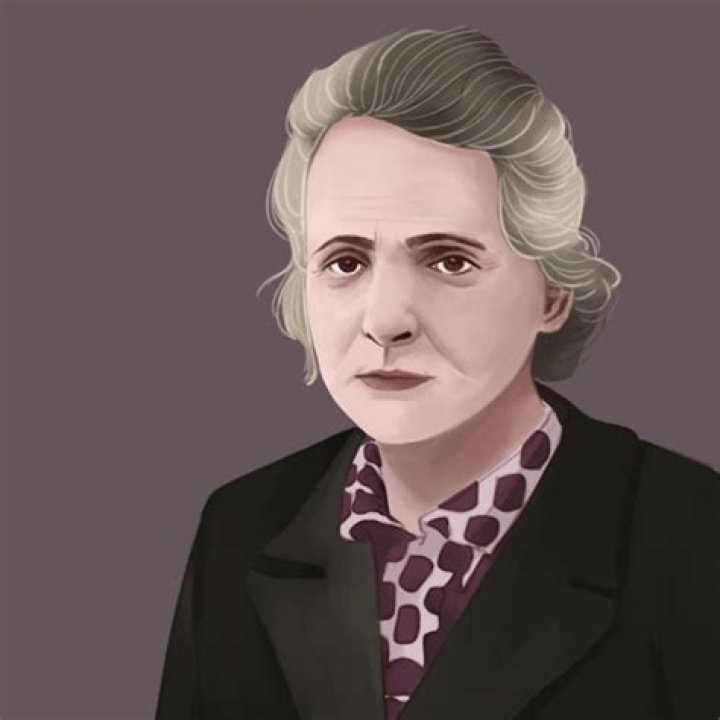
Filippo Testa Tamara was an Italian artist born in the late 19th century. He is known for his unique style of painting, which often combined elements of realism and symbolism.
Tamara's work was often inspired by the natural world, and he frequently depicted scenes of rural life and landscapes. He was also a skilled portraitist, and his portraits are known for their psychological depth and insight.
Tamara's work has been exhibited in museums and galleries around the world, and he is considered to be one of the most important Italian artists of his generation.
Filippo Testa Tamara
Filippo Testa Tamara was an Italian artist born in the late 19th century. He is known for his unique style of painting, which often combined elements of realism and symbolism. Tamara's work was often inspired by the natural world, and he frequently depicted scenes of rural life and landscapes. He was also a skilled portraitist, and his portraits are known for their psychological depth and insight.
- Birth: 1876, Turin, Italy
- Death: 1963, Turin, Italy
- Artistic style: Realism, Symbolism
- Artistic medium: Painting, drawing
- Notable works: "The Sower," "The Reapers," "Portrait of a Young Woman"
- Awards and honors: Gold medal at the Venice Biennale (1926)
- Legacy: Considered one of the most important Italian artists of his generation
Tamara's work has been exhibited in museums and galleries around the world, and he is considered to be one of the most important Italian artists of his generation. His work is characterized by its strong sense of composition, its rich colors, and its evocative use of light and shadow. Tamara's paintings often explore themes of nature, rural life, and the human condition.
Birth
Filippo Testa Tamara was born in Turin, Italy in 1876. His birthplace and upbringing had a profound influence on his artistic development and the themes he explored in his work.
- Local Artistic Traditions: Turin has a rich artistic heritage, and Tamara was exposed to the works of many great masters from a young age. This exposure influenced his own artistic style and techniques.
- Natural Surroundings: Turin is located in the Piedmont region of Italy, which is known for its beautiful landscapes. Tamara's love of nature is evident in his paintings, which often depict scenes of rural life and the countryside.
- Cultural Influences: Turin was a major center of the Italian Renaissance and Baroque periods. Tamara's work reflects the influence of these artistic movements, as well as the broader cultural and intellectual currents of his time.
- Artistic Community: Turin was home to a vibrant artistic community in the late 19th and early 20th centuries. Tamara was part of this community and interacted with other artists, critics, and intellectuals. This exchange of ideas and perspectives influenced his artistic development.
Tamara's birthplace and upbringing played a key role in shaping his artistic identity and the themes he explored in his work. His connection to Turin is evident in the local artistic traditions, natural surroundings, cultural influences, and artistic community that shaped his development as an artist.
Death
Filippo Testa Tamara died in Turin, Italy in 1963. His death marked the end of a remarkable artistic career that spanned over six decades. Tamara's death was a significant loss to the Italian art world, and his work continues to be celebrated and admired today.
Tamara's death was the result of natural causes. He was 87 years old at the time of his death. Tamara had been in declining health for several years, and his death was not unexpected. Despite his declining health, Tamara continued to paint until the very end. In fact, some of his most famous works were created in the last few years of his life.
Tamara's death is a reminder of the fragility of life and the importance of making the most of our time. Tamara was a prolific artist who created a vast body of work. His work is a testament to his talent, dedication, and passion for art. Tamara's death is a loss to the art world, but his work will continue to inspire and delight generations to come.
Artistic style
Filippo Testa Tamara's artistic style is characterized by a unique blend of realism and symbolism. This combination allowed him to create works that were both visually appealing and rich in meaning.
- Realism: Tamara's paintings often depicted scenes from everyday life, such as rural landscapes and portraits of ordinary people. He paid close attention to detail and used realistic techniques to create a sense of authenticity and immediacy.
- Symbolism: Tamara also incorporated symbolic elements into his paintings. These symbols often represented abstract concepts or emotions, and they added a deeper layer of meaning to his work. For example, he might use a dove to symbolize peace or a serpent to symbolize temptation.
Tamara's unique blend of realism and symbolism allowed him to create works that were both accessible and thought-provoking. His paintings invite viewers to look closely and to contemplate the deeper meanings behind the everyday scenes he depicted.
Artistic medium
Filippo Testa Tamara was a prolific artist who worked in a variety of mediums, including painting and drawing. His choice of medium was often dictated by the subject matter and the desired effect. For example, he often used oil paints for his large-scale landscapes, as they allowed him to create rich, detailed compositions. For his more intimate portraits, he preferred to use charcoal or, which allowed him to capture the nuances of his subjects' expressions.
Tamara's mastery of different artistic mediums allowed him to create a diverse body of work that explored a wide range of themes and styles. His paintings are known for their vibrant colors and expressive brushwork, while his drawings are more and intimate. Through his skillful use of different mediums, Tamara was able to convey a wide range of emotions and ideas.
In addition to his technical skill, Tamara's choice of medium was also influenced by his philosophical beliefs. He believed that art should be accessible to everyone, regardless of their social or economic status. As a result, he often used inexpensive materials, such as paper and charcoal. He also believed that art should be created for its own sake, rather than for commercial gain. As a result, he often refused to sell his work, and instead donated it to museums and galleries.
Notable works
Filippo Testa Tamara's notable works, including "The Sower," "The Reapers," and "Portrait of a Young Woman," showcase his unique artistic style and the themes he explored throughout his career.
- Rural life and landscapes: Tamara's works often depicted scenes of rural life and landscapes, reflecting his deep connection to the natural world. "The Sower" and "The Reapers" are prime examples, capturing the beauty and simplicity of everyday life in the countryside.
- Symbolism and allegory: Tamara's paintings often incorporated symbolic elements and allegorical meanings. In "The Sower," the sower represents the artist himself, spreading seeds of creativity and inspiration. "The Reapers" symbolizes the cycle of life and death, with the reapers representing the inevitability of time's passage.
- Psychological depth and insight: Tamara's portraits, such as "Portrait of a Young Woman," reveal his skill in capturing the psychological depth and emotions of his subjects. His portraits often convey a sense of introspection and quiet contemplation, inviting viewers to connect with the inner lives of his subjects.
These notable works by Filippo Testa Tamara provide a glimpse into his artistic vision and the themes that preoccupied him throughout his career. They highlight his mastery of different artistic techniques, his deep connection to the natural world, and his ability to convey complex emotions and ideas through his art.
Awards and honors
Filippo Testa Tamara's receipt of the Gold Medal at the Venice Biennale in 1926 stands as a testament to his artistic achievements and recognition within the international art world. This prestigious award not only brought him widespread acclaim but also shed light on the significance of his unique artistic style and contributions to Italian art.
- Artistic recognition: The Gold Medal at the Venice Biennale was one of the highest honors an artist could receive at the time. Tamara's win solidified his position as a leading figure in the Italian art scene and brought him international recognition.
- Validation of his artistic style: The award served as a validation of Tamara's unique blend of realism and symbolism. His ability to capture the essence of everyday life while infusing his works with deeper meanings resonated with both critics and the public.
- Contribution to Italian art: Tamara's Gold Medal win not only recognized his individual talent but also highlighted the strength and vitality of Italian art in the early 20th century. His success helped to place Italian art on the global stage.
- Inspiration for fellow artists: Tamara's achievement inspired a generation of younger Italian artists. His innovative approach to painting and his commitment to artistic excellence set a high standard for aspiring artists to follow.
In conclusion, the Gold Medal at the Venice Biennale (1926) was a pivotal moment in Filippo Testa Tamara's career. It brought him widespread recognition, validated his artistic style, showcased the strength of Italian art, and inspired fellow artists. This award remains a testament to his enduring legacy as one of the most significant Italian artists of his time.
Legacy
Filippo Testa Tamara is widely regarded as one of the most important Italian artists of his generation due to his unique artistic style, significant contributions to Italian art, and lasting impact on fellow artists and the art world. His legacy is characterized by several key aspects:
- Artistic Innovation: Tamara's unique blend of realism and symbolism set him apart from his contemporaries. His ability to capture the beauty and simplicity of everyday life while infusing his works with deeper meanings earned him critical acclaim and recognition.
- Contribution to Italian Art: Tamara's success on the international stage, exemplified by his Gold Medal at the Venice Biennale in 1926, helped to elevate the profile of Italian art in the early 20th century. His works showcased the strength and vitality of Italian artistic traditions.
- Influence on Younger Artists: Tamara's innovative approach to painting inspired a generation of younger Italian artists. His commitment to artistic excellence and his willingness to experiment with new techniques and styles set a high standard for aspiring artists to follow.
Tamara's legacy continues to be celebrated and studied by art historians and enthusiasts alike. His works are held in prestigious collections around the world and are regularly exhibited in major museums and galleries. His unique artistic vision and contributions to Italian art ensure that his legacy will endure for generations to come.
FAQs about Filippo Testa Tamara
This section provides answers to frequently asked questions about Filippo Testa Tamara, one of the most important Italian artists of his generation.
Question 1: What is Filippo Testa Tamara's artistic style?
Filippo Testa Tamara's artistic style is characterized by a unique blend of realism and symbolism. He captured the essence of everyday life while infusing his works with deeper meanings. His ability to combine these elements sets him apart from his contemporaries.
Question 2: What are some of Filippo Testa Tamara's notable works?
Tamara's notable works include "The Sower," "The Reapers," and "Portrait of a Young Woman." These works showcase his mastery of different artistic techniques, his deep connection to the natural world, and his ability to convey complex emotions and ideas through his art.
Question 3: What is the significance of Filippo Testa Tamara's Gold Medal at the Venice Biennale in 1926?
Tamara's Gold Medal at the Venice Biennale in 1926 was a pivotal moment in his career. It brought him widespread recognition, validated his artistic style, showcased the strength of Italian art, and inspired fellow artists.
Question 4: How did Filippo Testa Tamara influence younger artists?
Tamara's innovative approach to painting and his commitment to artistic excellence set a high standard for aspiring artists to follow. He inspired a generation of younger Italian artists, who were drawn to his unique style and dedication to their craft.
Question 5: Why is Filippo Testa Tamara considered one of the most important Italian artists of his generation?
Tamara is considered one of the most important Italian artists of his generation due to his artistic innovation, significant contributions to Italian art, and lasting impact on fellow artists and the art world. His unique blend of realism and symbolism, combined with his ability to capture the essence of everyday life, sets him apart as a significant figure in Italian art history.
Question 6: Where can I see Filippo Testa Tamara's works?
Tamara's works are held in prestigious collections around the world and are regularly exhibited in major museums and galleries. You can find his works in museums such as the Galleria d'Arte Moderna in Turin, the Uffizi Gallery in Florence, and the Metropolitan Museum of Art in New York.
We hope these FAQs have provided you with a better understanding of Filippo Testa Tamara and his artistic legacy. If you have any further questions, please feel free to explore our website or contact us directly.
Transition to the next article section:
Filippo Testa Tamara's unique artistic style and significant contributions to Italian art continue to inspire and captivate audiences today. His works offer a glimpse into the beauty and complexity of everyday life, inviting us to reflect on the deeper meanings behind the world around us.
Tips from Filippo Testa Tamara
Filippo Testa Tamara's unique artistic style and approach to painting offer valuable insights for aspiring artists and art enthusiasts alike. Here are a few tips inspired by his work:
Tip 1: Blend realism and symbolism: Tamara's ability to combine realistic depictions with symbolic elements creates a deeper layer of meaning in his paintings. By incorporating symbolic elements into your own work, you can add richness and complexity to your compositions.
Tip 2: Capture the essence of everyday life: Tamara's works often depicted scenes from everyday life, imbuing them with a sense of beauty and significance. Focus on capturing the ordinary moments and details that often go unnoticed, and explore their hidden beauty and meaning.
Tip 3: Pay attention to composition: Tamara's compositions are carefully crafted to create a sense of balance and harmony. Experiment with different compositional techniques to guide the viewer's eye and create a visually appealing image.
Tip 4: Use color effectively: Tamara's use of color is both vibrant and subtle, contributing to the overall mood and atmosphere of his paintings. Consider the emotional impact of colors and use them strategically to enhance the message you want to convey.
Tip 5: Experiment with different mediums: Tamara explored various mediums, including oil paints, charcoal, and drawing. Experimenting with different mediums can help you discover new possibilities and expand your artistic capabilities.
Summary: By incorporating these tips into your artistic practice, you can develop a unique style that combines realism, symbolism, and a deep appreciation for the beauty of everyday life. Remember, art is a journey of exploration and self-expression; embrace the process and let your creativity guide you.
Transition to the article's conclusion:
Filippo Testa Tamara's legacy as an artist lies in his ability to capture the essence of life and elevate the ordinary to the realm of the extraordinary. His techniques and insights continue to inspire artists today, reminding us of the power of art to reflect, interpret, and transcend our world.
Conclusion
Filippo Testa Tamara's unique artistic style and significant contributions to Italian art have left an indelible mark on the art world. His ability to blend realism and symbolism, capture the essence of everyday life, and inspire fellow artists continues to resonate with audiences today.
Tamara's works invite us to reflect on the beauty and complexity of the world around us. They remind us that even in the ordinary moments of life, there is beauty, meaning, and inspiration to be found. His legacy serves as a testament to the power of art to elevate, inspire, and connect us to a deeper understanding of human existence.
Unlocking Joyce Vance's Health Journey: Surprising Revelations And Hope
Prince Louis: Unraveling The Mystery Of Autism
Unveiling The Legacy And Impact Of Dr. Ernesto Quinto