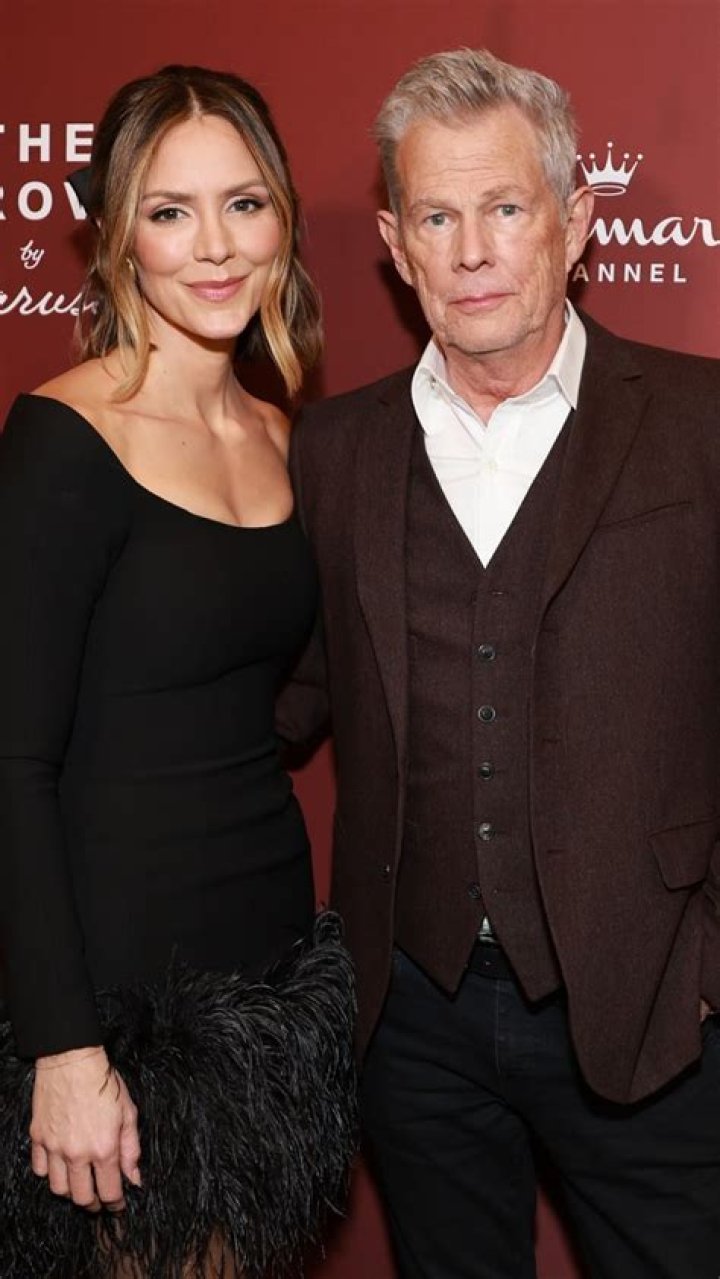
Harold Ford Jr. is an American politician and lawyer who served as the U.S. Representative for Tennessee's 9th congressional district from 1997 to 2007. He was the first African American to represent Tennessee in the U.S. House of Representatives since Reconstruction.
Ford was born in Memphis, Tennessee, in 1970. He graduated from Morehouse College and the University of Michigan Law School. After law school, he worked as an attorney in Memphis before entering politics.
In 1996, Ford was elected to the U.S. House of Representatives. He served on the House Judiciary Committee and the House Armed Services Committee. In 2006, he ran for the U.S. Senate, but lost to Republican Bob Corker.
After leaving Congress, Ford worked as a political commentator and lobbyist. In 2017, he was appointed by President Donald Trump to the President's Commission on White House Fellowships.
Ford is a member of the Democratic Party. He is considered to be a moderate Democrat.
Harold Ford Jr.
Harold Ford Jr. is an American politician and lawyer who served as the U.S. Representative for Tennessee's 9th congressional district from 1997 to 2007. He was the first African American to represent Tennessee in the U.S. House of Representatives since Reconstruction.
- Politician
- Lawyer
- Democrat
- Moderate
- First African American to represent Tennessee in the U.S. House of Representatives since Reconstruction
- Served on the House Judiciary Committee and the House Armed Services Committee
- Ran for the U.S. Senate in 2006 but lost to Republican Bob Corker
- Worked as a political commentator and lobbyist after leaving Congress
- Appointed by President Donald Trump to the President's Commission on White House Fellowships in 2017
Harold Ford Jr. is a prominent figure in American politics. He is a moderate Democrat who has served in the U.S. House of Representatives and worked as a political commentator and lobbyist. He is a member of the President's Commission on White House Fellowships.
| Name | Harold Ford Jr. |
| Born | January 11, 1970 |
| Place of Birth | Memphis, Tennessee |
| Education | Morehouse College, University of Michigan Law School |
| Occupation | Politician, lawyer, political commentator, lobbyist |
| Political Party | Democratic |
| Years in Office | 1997-2007 |
Politician
Harold Ford Jr. is a politician who served as the U.S. Representative for Tennessee's 9th congressional district from 1997 to 2007. He was the first African American to represent Tennessee in the U.S. House of Representatives since Reconstruction.
- Elected Official
Harold Ford Jr. was elected to the U.S. House of Representatives in 1996. He served on the House Judiciary Committee and the House Armed Services Committee.
- Policymaker
As a member of the U.S. House of Representatives, Harold Ford Jr. helped to write and pass laws on a variety of issues, including education, healthcare, and national defense.
- Constituent Advocate
Harold Ford Jr. worked to represent the interests of his constituents in the U.S. House of Representatives. He met with constituents, held town hall meetings, and worked to address their concerns.
- Party Leader
Harold Ford Jr. is a member of the Democratic Party. He has served in leadership positions within the party, including as the chairman of the Democratic Leadership Council.
Harold Ford Jr.'s experience as a politician has given him a deep understanding of the political process and the issues facing the United States. He is a skilled negotiator and a strong advocate for his constituents.
Lawyer
Harold Ford Jr. is a lawyer who earned his Juris Doctor degree from the University of Michigan Law School. He worked as an attorney in Memphis before entering politics.
Ford's legal experience has been beneficial to him in his political career. He has used his legal skills to draft legislation, negotiate with other politicians, and represent his constituents.
For example, Ford's legal experience was helpful when he served on the House Judiciary Committee. This committee is responsible for overseeing the federal court system and considering legislation related to crime and punishment. Ford's legal knowledge helped him to understand the complex issues that came before the committee and to make informed decisions about legislation.
Ford's legal experience has also been helpful to him in his work as a constituent advocate. He has used his legal skills to help his constituents with a variety of legal issues, such as immigration, housing, and employment.
Overall, Ford's legal experience has been a valuable asset to him in his political career. He has used his legal skills to serve his constituents and to make a difference in the world.
Democrat
Harold Ford Jr. is a Democrat. The Democratic Party is one of the two major political parties in the United States. The party's platform is based on a commitment to social justice, economic equality, and environmental protection.
Ford's decision to become a Democrat was influenced by his upbringing and his personal beliefs. He was raised in a Democratic household and attended Morehouse College, a historically black college known for its commitment to social justice. Ford has said that he believes the Democratic Party is the best vehicle for achieving his goals of social and economic justice.
As a Democrat, Ford has supported a variety of policies, including expanding access to healthcare, increasing funding for education, and protecting the environment. He has also been a vocal critic of President Donald Trump.
Ford's decision to become a Democrat has had a significant impact on his political career. He has been elected to the U.S. House of Representatives and has served as the chairman of the Democratic Leadership Council. He is considered to be a rising star in the Democratic Party and is seen as a potential future presidential candidate.
The connection between Harold Ford Jr. and the Democratic Party is significant because it reflects the values and beliefs that have shaped his political career. Ford is a committed Democrat who believes in the power of government to make a positive difference in the lives of all Americans.
Moderate
Harold Ford Jr. is considered to be a moderate Democrat. This means that he holds political views that are in the middle of the political spectrum. He is not as liberal as some Democrats, and he is not as conservative as some Republicans.
Ford's moderate views have been shaped by his upbringing and his personal experiences. He was raised in a Democratic household, but he also attended Morehouse College, a historically black college known for its commitment to social justice. Ford has said that he believes the Democratic Party is the best vehicle for achieving his goals of social and economic justice, but he also believes that the party needs to be more moderate in order to win elections.
Ford's moderate views have had a significant impact on his political career. He has been elected to the U.S. House of Representatives and has served as the chairman of the Democratic Leadership Council. He is considered to be a rising star in the Democratic Party and is seen as a potential future presidential candidate.
Ford's moderate views are important because they reflect the views of many Americans. A majority of Americans identify as moderate, and they are looking for politicians who share their views. Ford's moderate views make him appealing to a wide range of voters, and they could help him to win elections in the future.
First African American to represent Tennessee in the U.S. House of Representatives since Reconstruction
Harold Ford Jr. made history when he was elected to the U.S. House of Representatives in 1996. He was the first African American to represent Tennessee in the House since Reconstruction.
- Breaking Barriers
Ford's election was a major milestone in the history of Tennessee and the United States. It showed that African Americans could be elected to high office in the South, even in a state with a history of racial discrimination.
- Role Model
Ford's election was an inspiration to many African Americans, especially young people. He showed them that they could achieve anything they set their minds to.
- Building Bridges
Ford's election helped to build bridges between black and white communities in Tennessee. He worked to represent the interests of all his constituents, regardless of their race.
- Continuing Legacy
Ford's legacy continues to inspire African Americans today. He is a reminder that anything is possible if you work hard and never give up on your dreams.
Harold Ford Jr.'s election as the first African American to represent Tennessee in the U.S. House of Representatives since Reconstruction was a major milestone in the history of the state and the country. It showed that African Americans could be elected to high office in the South, even in a state with a history of racial discrimination. Ford's election was an inspiration to many African Americans and helped to build bridges between black and white communities in Tennessee.
Served on the House Judiciary Committee and the House Armed Services Committee
Harold Ford Jr. served on the House Judiciary Committee and the House Armed Services Committee during his time in the U.S. House of Representatives. These assignments were significant because they gave him a chance to work on a wide range of issues and to develop expertise in two important areas.
The House Judiciary Committee is responsible for overseeing the federal court system and considering legislation related to crime and punishment. Ford's service on this committee gave him a deep understanding of the criminal justice system and the challenges facing law enforcement. He was also a strong advocate for civil rights and worked to protect the rights of all Americans.
The House Armed Services Committee is responsible for overseeing the U.S. military and considering legislation related to national defense. Ford's service on this committee gave him a deep understanding of the military and the challenges facing the United States in a dangerous world. He was also a strong advocate for a strong national defense and worked to ensure that the U.S. military was prepared to meet any threat.
Ford's service on the House Judiciary Committee and the House Armed Services Committee was a valuable experience that gave him a deep understanding of two important areas of public policy. He used his knowledge and experience to advocate for the interests of his constituents and to make a difference in the world.
Ran for the U.S. Senate in 2006 but lost to Republican Bob Corker
Harold Ford Jr.'s decision to run for the U.S. Senate in 2006 was a major moment in his political career. He was the first African American to run for the Senate from Tennessee since Reconstruction, and his campaign was seen as a test of the state's racial progress.
- Political Strategy
Ford's decision to run for the Senate was a bold political move. He was a young, relatively inexperienced politician, and he was challenging an incumbent Republican in a state that had not elected a Democrat to the Senate in over 20 years.
- Racial Politics
Ford's race was a major factor in the campaign. He was running in a state with a history of racial discrimination, and his opponent, Bob Corker, was a white conservative who had the support of many white voters.
- Campaign Dynamics
The campaign was hard-fought and negative. Both candidates ran attack ads, and the race was closely contested. In the end, Corker won by a narrow margin.
- Aftermath
Ford's loss was a disappointment, but it did not end his political career. He continued to serve in the House of Representatives, and he is now a successful businessman and political commentator.
Ford's decision to run for the U.S. Senate in 2006 was a significant moment in his political career and in the history of Tennessee. It showed that African Americans could run for high office in the South, even in states with a history of racial discrimination. Ford's campaign was a reminder that the fight for racial equality is not over, but it is a fight that can be won.
Worked as a political commentator and lobbyist after leaving Congress
After leaving Congress, Harold Ford Jr. worked as a political commentator and lobbyist. This move was significant for several reasons.
First, it showed that Ford was still interested in public policy and wanted to continue to make a difference in the world. Second, it gave him a platform to share his views on current events and to advocate for the issues he cared about. Third, it allowed him to build relationships with people in the media and in the business world.
Ford's work as a political commentator and lobbyist has been successful. He is a regular guest on television and radio shows, and he has written op-eds for major newspapers. He has also been successful in lobbying for the interests of his clients.
Ford's decision to work as a political commentator and lobbyist is a reminder that there are many ways to make a difference in the world. It is not necessary to hold elected office to be an effective advocate for change.
Appointed by President Donald Trump to the President's Commission on White House Fellowships in 2017
Harold Ford Jr.'s appointment to the President's Commission on White House Fellowships in 2017 was a significant event in his career. It showed that he was still interested in public service and that he was willing to work with the Trump administration on issues of importance to the country.
- Recognition of Ford's Experience and Qualifications
Ford's appointment to the commission was a recognition of his experience and qualifications. He had served in the U.S. House of Representatives for 10 years and had a deep understanding of public policy. He was also a successful businessman and political commentator.
- Bipartisan Approach to Public Service
Ford's appointment was also seen as a sign of his commitment to bipartisanship. He was a Democrat who was willing to work with a Republican president on issues of common concern. This was a refreshing change from the increasingly partisan atmosphere in Washington, D.C.
- Opportunity to Influence Policy
Ford's appointment to the commission gave him an opportunity to influence policy. The commission is responsible for recommending candidates for White House Fellowships, which are prestigious positions that give young professionals an opportunity to work in the White House.
- Continued Commitment to Public Service
Ford's appointment to the commission was a reminder of his continued commitment to public service. He had already served in elected office and as a political commentator, and he was now willing to serve in a nonpartisan role. This showed that he was dedicated to making a difference in the world.
Ford's appointment to the President's Commission on White House Fellowships was a significant event in his career. It showed that he was still interested in public service, that he was willing to work with the Trump administration on issues of importance to the country, and that he was committed to bipartisanship.
FAQs about Harold Ford Jr.
Harold Ford Jr. is an American politician and lawyer who served as the U.S. Representative for Tennessee's 9th congressional district from 1997 to 2007. He is the first African American to represent Tennessee in the U.S. House of Representatives since Reconstruction. Here are some frequently asked questions about Harold Ford Jr.:
1. What is Harold Ford Jr.'s political party?
Harold Ford Jr. is a Democrat.
2. What are Harold Ford Jr.'s political views?
Harold Ford Jr. is considered to be a moderate Democrat. He supports social justice, economic equality, and environmental protection.
3. What are Harold Ford Jr.'s major accomplishments?
Harold Ford Jr.'s major accomplishments include being the first African American to represent Tennessee in the U.S. House of Representatives since Reconstruction, serving on the House Judiciary Committee and the House Armed Services Committee, and working as a political commentator and lobbyist.
4. What is Harold Ford Jr.'s current role?
Harold Ford Jr. is currently a member of the President's Commission on White House Fellowships.
5. What are Harold Ford Jr.'s future plans?
Harold Ford Jr. has not announced any future plans. However, he has said that he is interested in continuing to serve the public.
6. What is Harold Ford Jr.'s legacy?
Harold Ford Jr.'s legacy is one of breaking barriers and advocating for social justice. He is a role model for African Americans and a reminder that anything is possible if you work hard and never give up on your dreams.
Harold Ford Jr. is a successful politician, lawyer, and businessman. He is a committed Democrat and a strong advocate for social justice. He is a role model for African Americans and a reminder that anything is possible if you work hard and never give up on your dreams.
For more information about Harold Ford Jr., please visit his website or follow him on social media.
Tips on Pursuing a Career in Politics
Harold Ford Jr. is a successful politician, lawyer, and businessman. He has served in the U.S. House of Representatives, worked as a political commentator and lobbyist, and is currently a member of the President's Commission on White House Fellowships. Here are some tips from Harold Ford Jr. on how to pursue a career in politics:
Be passionate about public service. Politics is a demanding field, and it is important to be passionate about serving the public if you want to be successful.
Get involved in your community. Volunteer for political campaigns, work for a non-profit organization, or run for local office. This will give you experience in the political process and help you build relationships with people in your community.
Get a good education. A strong educational foundation is essential for a successful career in politics. Study political science, public policy, or a related field.
Build your network. Attend political events, meet with elected officials, and join political organizations. The more people you know, the more likely you are to find opportunities to get involved in politics.
Be prepared to work hard. Politics is a competitive field, and it takes a lot of hard work to be successful. Be prepared to put in long hours and work weekends.
Be ethical and honest. Integrity is essential in politics. Always be honest and ethical in your dealings with others.
Be patient. It takes time to build a successful career in politics. Don't get discouraged if you don't see results immediately. Just keep working hard and eventually you will achieve your goals.
Never give up. If you are passionate about public service, never give up on your dreams of a career in politics.
Summary of key takeaways or benefits:
- Pursuing a career in politics requires passion, hard work, and dedication.
- Getting involved in your community, building your network, and getting a good education are all important steps to success.
- It is important to be ethical, honest, and patient in your pursuit of a career in politics.
Transition to the article's conclusion:
If you are interested in pursuing a career in politics, follow these tips from Harold Ford Jr. With hard work, dedication, and a commitment to public service, you can achieve your goals.
Conclusion
Harold Ford Jr. is a successful politician, lawyer, and businessman. He is a committed Democrat and a strong advocate for social justice. He is a role model for African Americans and a reminder that anything is possible if you work hard and never give up on your dreams.
Ford's career is a testament to the power of public service. He has used his position to make a difference in the lives of others, and he has inspired others to do the same. He is a reminder that we all have a role to play in making the world a better place.
Uncover The Secrets Of Early Learning: Week Of The Young Child
Unveiling The Harmony Of Karl And Keith Urban: Discoveries And Insights
Discover The Making Of A Guitar Legend: The "Eric Clapton Enfant" Years
Harold Ford Jr. cleared of sexual misconduct
Vindicated Harold Ford Jr. is returning to MSNBC Page Six
Stanley Fires Harold Ford Jr. as an Adviser After Conduct